Discovering Daily Living Labs
Beginning a community for disabled adults with daily support needs

Accessible design leads to innovation. Daily Living Labs is a nonprofit organization that seeks to involve disabled adults in the design process.
Learn more at dailylivinglabs.com
Service
Role
UX Researcher
Skills
User Research
Interviewing
Interactive Prototyping
Accessibility Testing
Tools
Figma
Adobe Suite
UltiMaker Cura 3D Printer
Pen & Paper
Timeline
September — December 2025 (12 Weeks)
UNT Teams
User Research, Concept Development, Artificial Intelligence
Overview
Accessible design leads to innovation. Daily Living Labs (DLL) is a nonprofit organization that seeks to involve disabled adults in the design process.
My work involved foundational research, including interview note-taking, environmental audits, workshop facilitation, usability testing, and documenting the project through photography and videography, as well as conducting product validation at the Dallas Abilities Expo. Through this research, we identified over 200 pain points, contacted 55 participants, gathered insights from 20 participants, documented 1,200+ photos, and collected feedback from 30+ expo attendees.
Project Objectives
How might we design products or services that support individuals who struggle with Activities of Daily Living (ADLs) to live more independently while maintaining their dignity and sense of autonomy?
Outcome
Conducted research with 30+ caregivers and disabled adults.
Facilitated 4 community outreach events & workshops
Collected market feedback from 30+ attendees at an assistive tech expo.
Established a scalable research foundation for future assistive products at DLL.
Current Barriers
Many products created for daily use are inaccessible for disabled people.
Often, during the original product design process, exclusionary assumptions were made about a user’s abilities.
Finding the right accessible products can be difficult and expensive.
Many people don’t know how or where to discover accessible tools tailored to their specific needs and means.
Many disabled adults develop DIY workarounds for daily activities.
In a world designed for able-bodied individuals, creativity becomes essential for disabled communities.
Overview
What is Daily Living Labs?
Daily Living Labs aims to help adults that need support with daily activities (and their caregivers).
Share their experiences and challenges.
Discover existing paid or DIY solutions that fit their specific needs.
Connect with designers and other experts to create and test new product solutions.
Audience
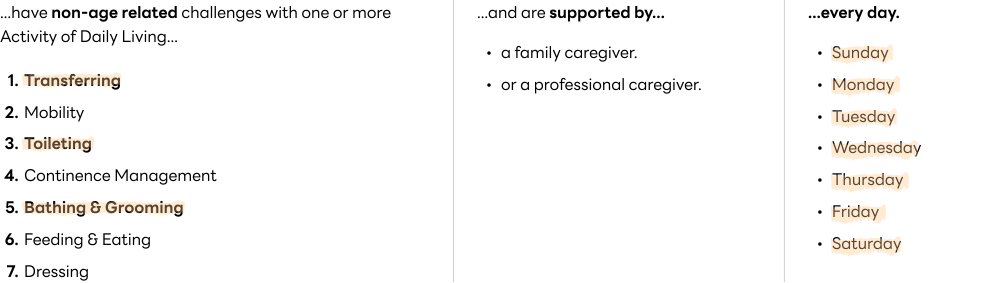
We’re initially working with adults who...
Phase 1 - Early Research
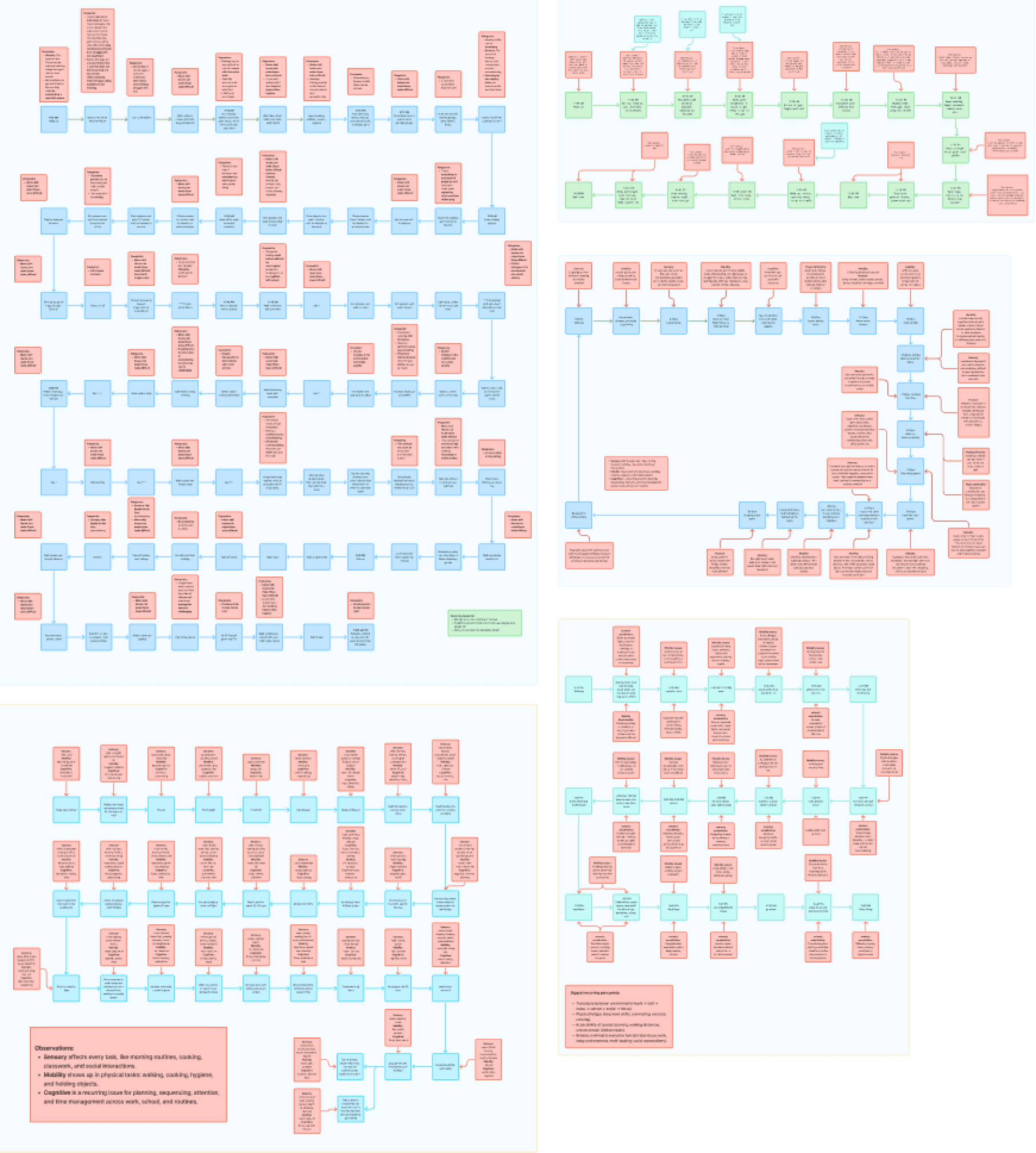
Building a strong foundation for DLL was incredibly important, so we began by mapping ADL challenges users might face while navigating a home to better understand the broader disability landscape. This also helped us set up the tools needed to conduct primary research later in the semester. The research team and I developed a journey map of ADLs, conducted environmental audits across five areas of the home, and carried out secondary research on non–age-related disabilities and assistive technologies. I also gathered key research materials by analyzing over 12 academic sources and online journals.
Environmental Audit Findings
We noticed a lot of common barriers, like tight spaces, slippery or unsafe surfaces, not enough grab points, and storage that’s just out of reach.
It also became clear that layout and furniture placement can make things like transferring, reaching, and moving around much harder even when assistive devices are available.
Overall, the bathroom and kitchen stood out as the highest-risk areas, where people are more likely to rely on unsafe workarounds.

Journey Map
I created a personal ADL journey map to break down a full day of activities and identify where tasks become difficult or unsafe.
Identified 45 pain points where tasks could become physically hard, emotionally stressful, or dependent on help from others.
I used this journey map as a foundation for later interviews, field visits, and prototype focus areas.

Conducting Secondary Research
During this phase, I explored how different non-age-related disabilities impact ADLs and examined existing tools and technologies that could support them, especially with potential applications for AI in the future.
I reviewed the product landscape analysis and identified over 40 products that support accessibility and independent living. These ranged from safety, mobility, motor coordination, communication, and sensory avoidance.
I helped to documented 15 non-age-related disabilities that affect daily tasks, organizing them into broader categories including mobility, cognitive, sensory, and mixed-impact conditions.
This chart outlined each condition, its primary ADL impacts, and whether those impacts were mobility-related, cognitive, sensory, or mixed. The purpose of this chart was to establish a clear understanding and to help align the research with users who were most likely to benefit from DLL’s assistive products and AI Tool.
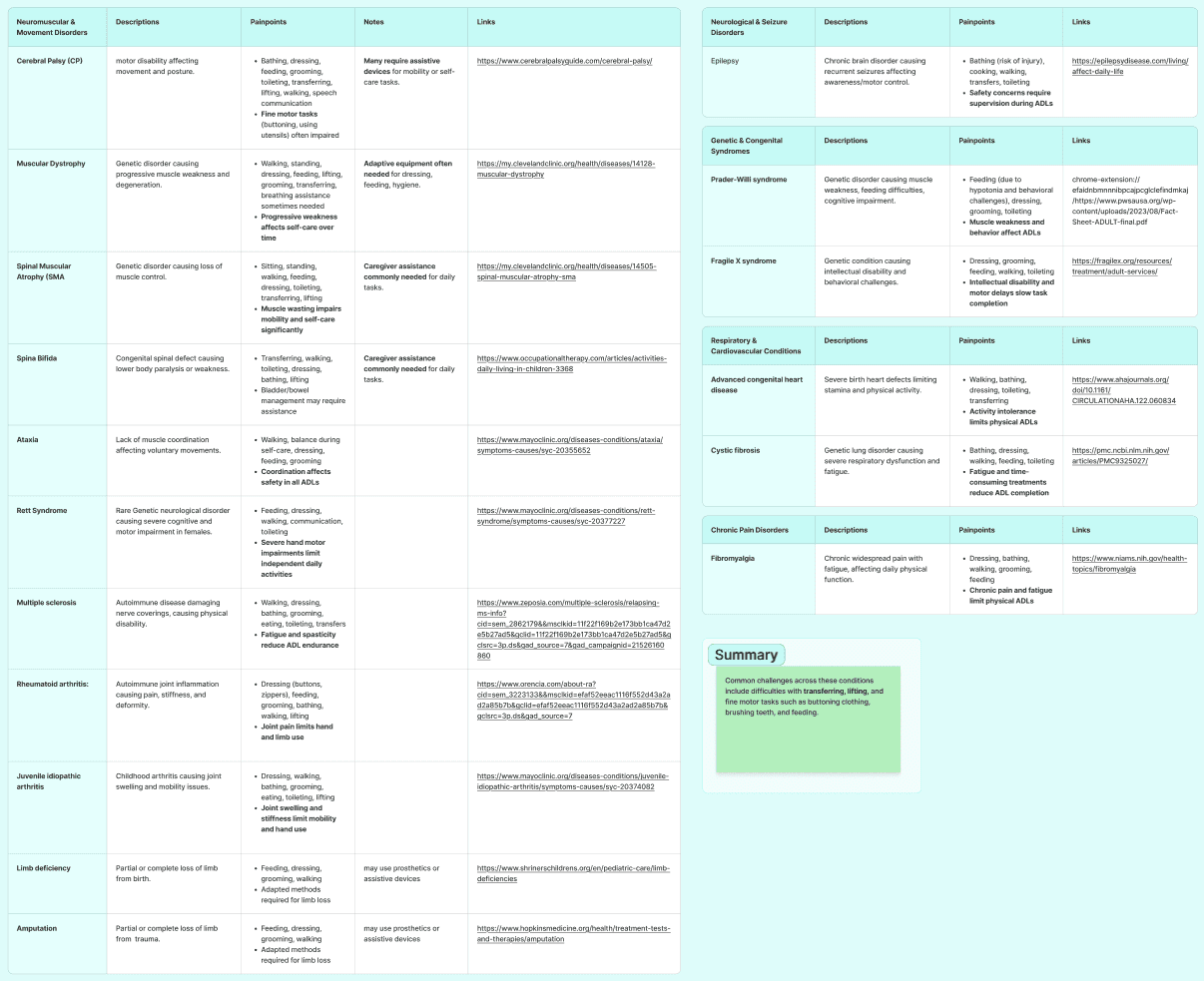

Building on this, I identified patterns between specific disabilities and existing support, highlighting key gaps and overlaps across solutions. This helped surface opportunity areas where more adaptive, personalized tools could better support daily independence.
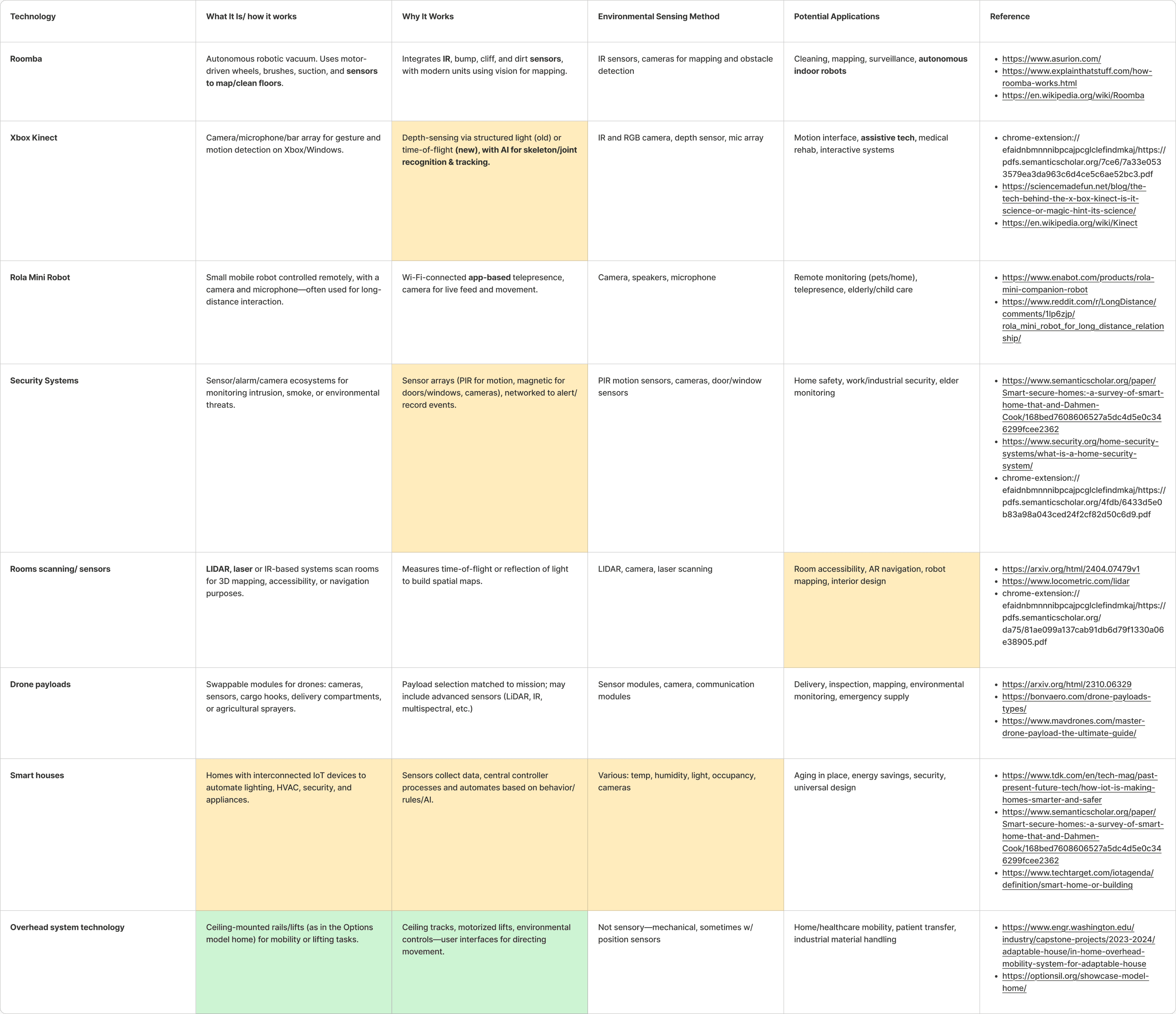
Existing Sensor Based Products
I helped to review 10 motion detection products and sensing technologies to evaluate what could potentially be adapted for our use case. As part of this work, I focused on technologies that an AI system could eventually reference or recommend, particularly tools designed for home environments.
Identified which product categories the AI could reference reliably, such as stability aids, transfer supports, adapted utensils, and hands-free grooming tools.
Noted limitations with many existing tools, including high cost, low accessibility, and limited adaptability across different disability levels.
Social Listening
To better understand lived experiences, we conducted social listening across several communities and content from disability-focused influencers.
We noticed recurring themes around cost, frustration with current tools, caregiver burnout, and the emotional side of independence, revealing how deeply these challenges impact daily quality of life.
Furthermore, people talked about “making do” with DIY solutions when formal products were too expensive or not practical in real homes, often adapting everyday objects in creative ways to meet their functional needs.


Creating Research Tools
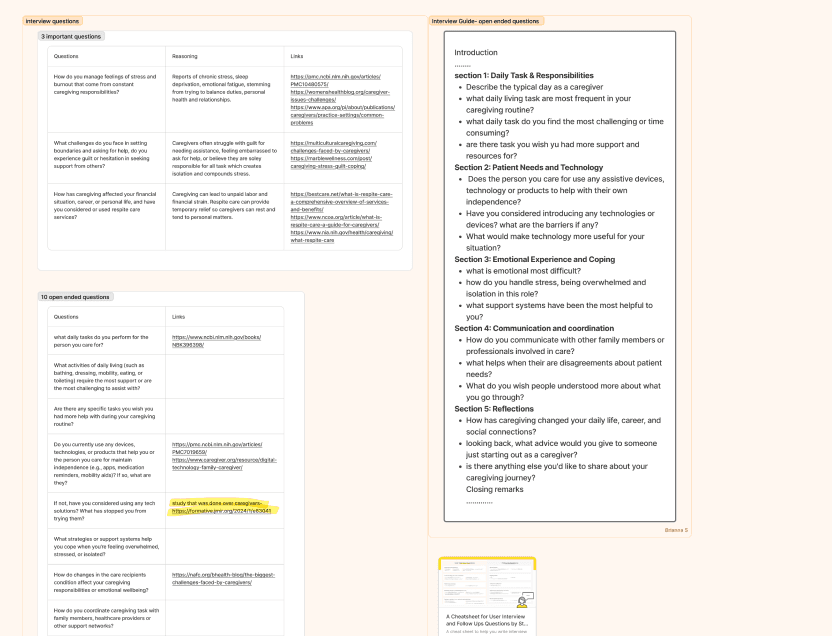
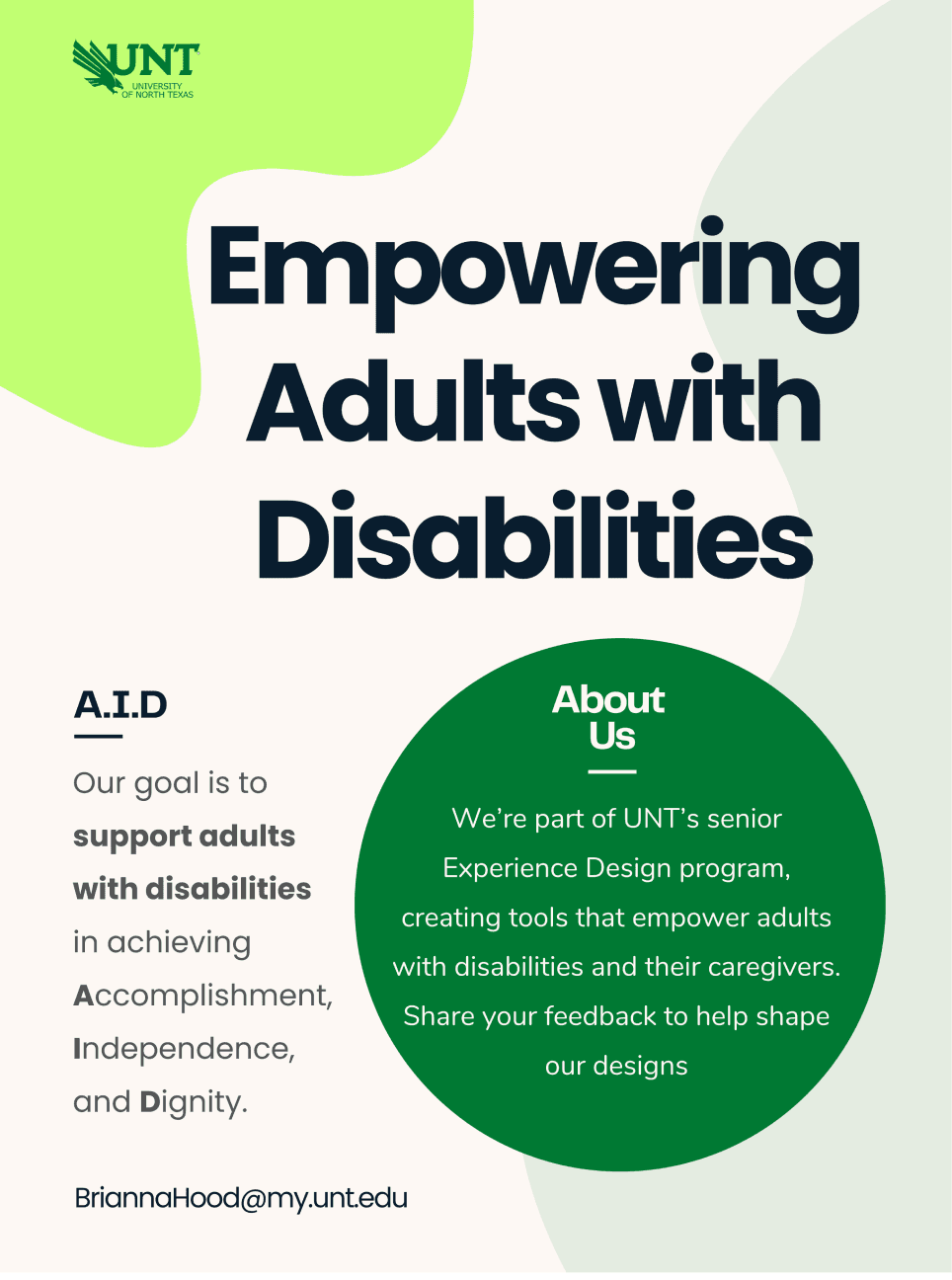
To prepare for the primary research planned in later phases, one of our teammates Brianna created several tools to support participant recruitment and screening. These tools established the structure needed to identify the right participants, guide conversations across different interview types, and reach a broader audience for potential involvement in testing.
These tools helped align the team on clear criteria and expectations for participant selection, reducing ambiguity during the recruitment process. This created a more efficient workflow and ensured we were consistently engaging with participants who best represented our target user groups.
2 screeners
20+ responses
Crafted screeners to filter for relevant participants and ensure they matched the project’s focus.
Goal
Recruit participants who were either caregivers or adults with disabilities to give feedback on designs.
Interview Guide
First Iteration
Created an interview guide to be used as the base script for formal interviews regarding the adult with a disability.
Goal
To structure conversations so that interviews consistently surfaced routines, challenges, and workarounds.
General Public Survey
20+ responses
Created an interview guide to be used as the base script for formal interviews regarding the adult with a disability.
Goal
To structure conversations so that interviews consistently surfaced routines, challenges, and workarounds.
Phase 2 - Fieldwork
The goal of this phase was to gather primary data through interviews, fieldwork, and early testing preparation in order to better understand daily living challenges directly from caregivers, staff, and adults with disabilities. Our research team used a mixed-method research approach, combining interviews, observational fieldwork, survey distribution, volunteering, and usability testing for both physical products and an AI tool.
Key Findings from Phase 1
Across our research, it became clear that challenges with ADLs do not happen in isolation. They show up throughout the entire day, from getting out of bed to winding down at night, adding up to 39 distinct pain points. Many of these issues are tied directly to the home itself, with spaces like bathrooms and kitchens creating some of the most consistent barriers.
We also learned that non–age-related disabilities shape daily experiences in highly individual ways, which makes generalized solutions ineffective. In conversations happening online, people frequently pointed to cost and practicality as major concerns, often emphasizing the need for solutions that are affordable and are practical within the constraints of their own homes.
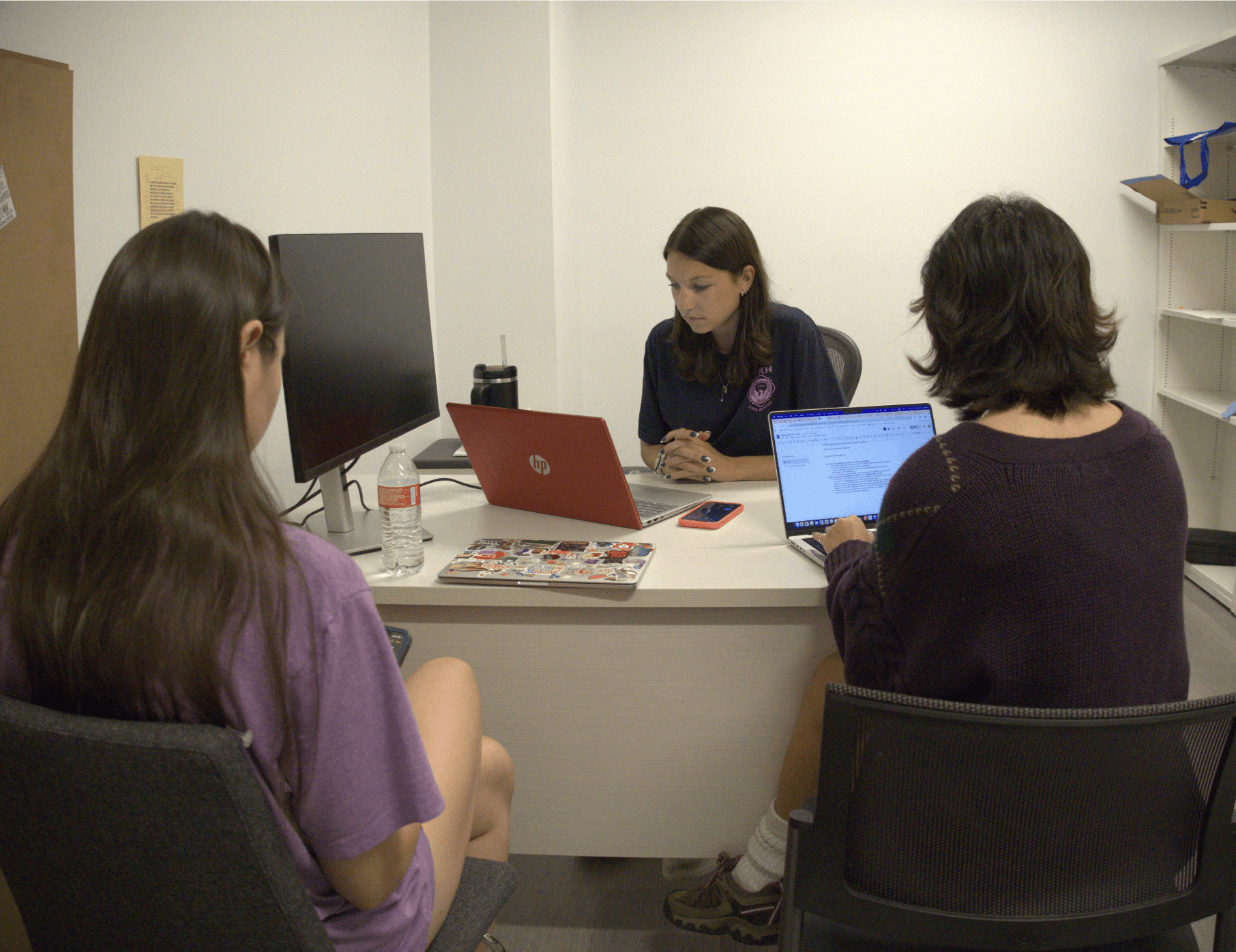
DLL research team members (L-R): Brianna, Hannah, Sophia, and I interviewing an industry expert over Zoom.
Conducting Interviews
At this stage, we conducted several interviews, where I focused on organizing and synthesizing raw transcripts, pulling out key insights, and structuring them for analysis.
I transcribed 5 zoom interviews, capturing highlight notes and contributing follow-up questions.
Identified how caregivers adapt daily routines through personal workarounds.
Gained insights into the physical strain, emotional labor, and time demands of caregiving
Documented recurring ADL challenges mentioned across conversations
Key Insights from Interviews
Predictability and routine heavily influence whether ADLs succeed or require intervention.
Bathroom safety remains a significant barrier, even among participants who are considered mostly independent.
Emotional reassurance is a continuous need and directly affects the flow of ADLs.
Cognitive processing differences require step-by-step guidance, patient pacing, and clear communication.
Participants value independence deeply, often attempting tasks without equipment or assistance even when risks are present.
Staff rely on structured prompting systems, consistent language, and dignity-centered communication to maintain participant safety and autonomy.
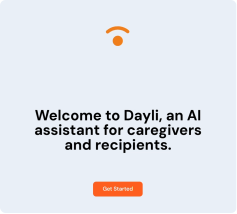
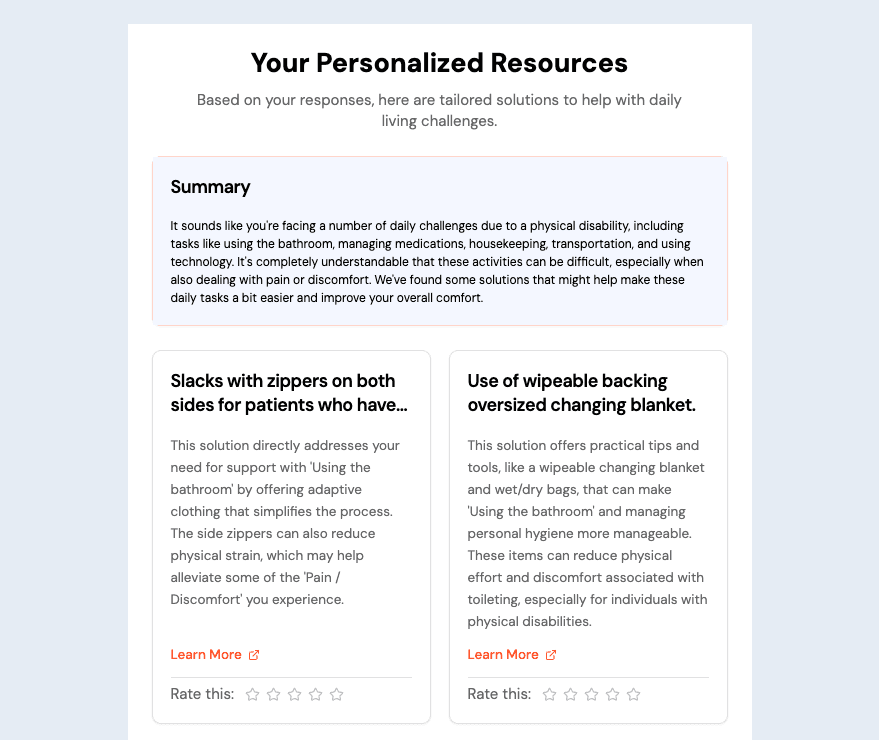
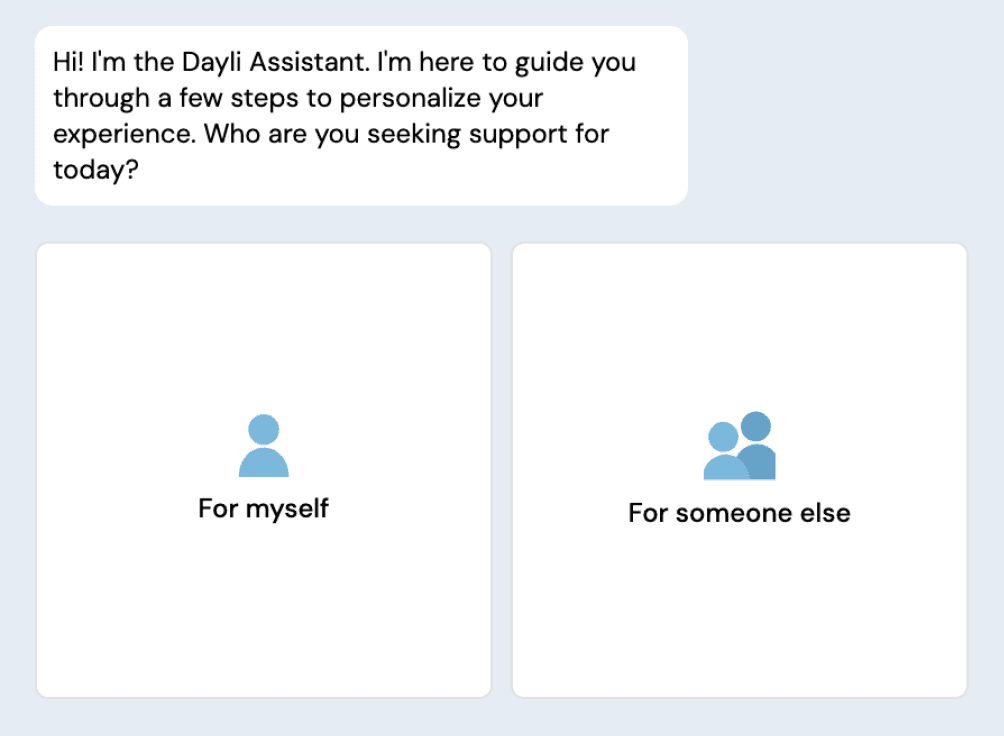
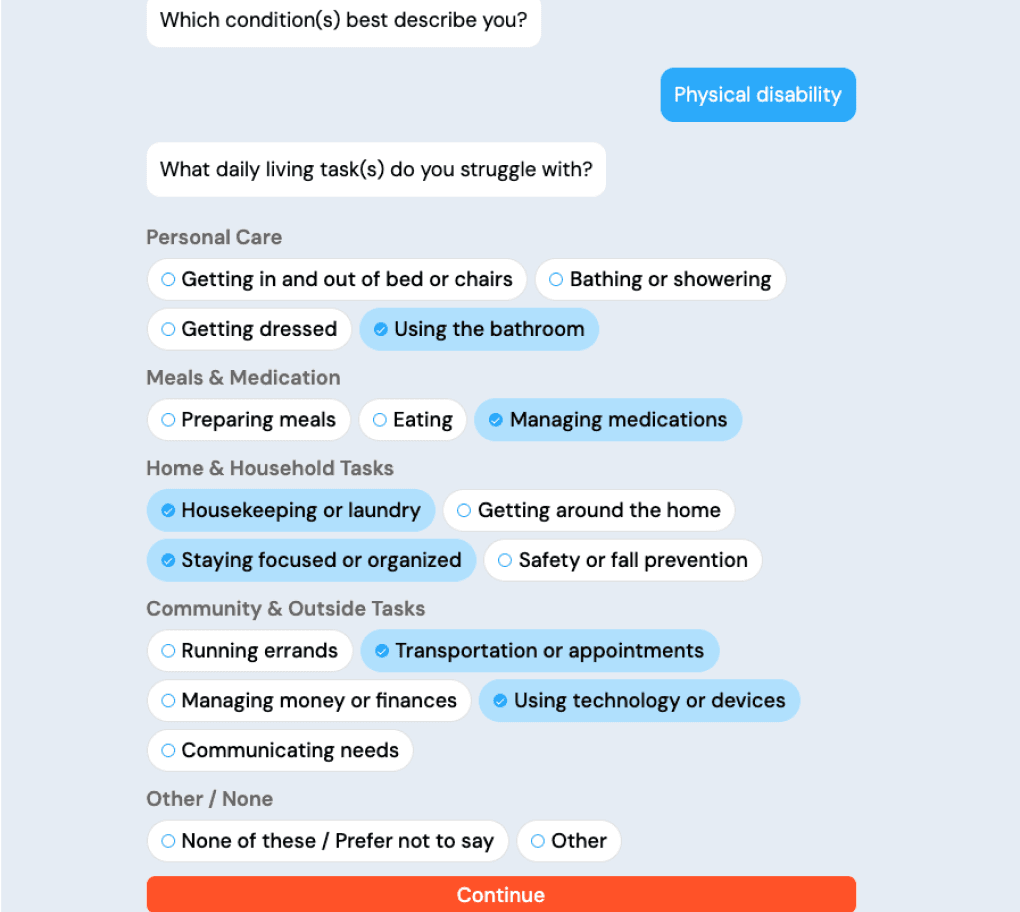
Building and Testing Dayli AI
As part of my research, I worked closely with both the AI Team and the Concept Development Team, contributing across early validation and concept exploration while helping bridge insights between groups to ensure alignment and consistency in how findings were applied.
With the AI Team, my part of my work was on Dayli, an AI tool designed to make affordable and personalized recommendations for accessibility products. I helped distribute their survey, screen participants, and prepare for usability testing.
Through that process, a few key themes emerged: some users expected immediate product recommendations rather than exploratory questions, age felt less relevant than injury level or functional ability, and participants consistently emphasized wanting recommendations that reflected the real accessibility constraints of their homes.
Key Findings from Phase 2
Knowing someone’s injury level or functional ability matters more than age when discussing non-age-related disabilities.
Bathroom safety is a major concern, even among participants who consider themselves “independent.”
Many participants express a strong desire for independence, despite the risks involved.
Cognitive processing differences require step-by-step guidance and patience.
Products
6 products were created by the Concept Development team to aid with 4 essential daily living activities.
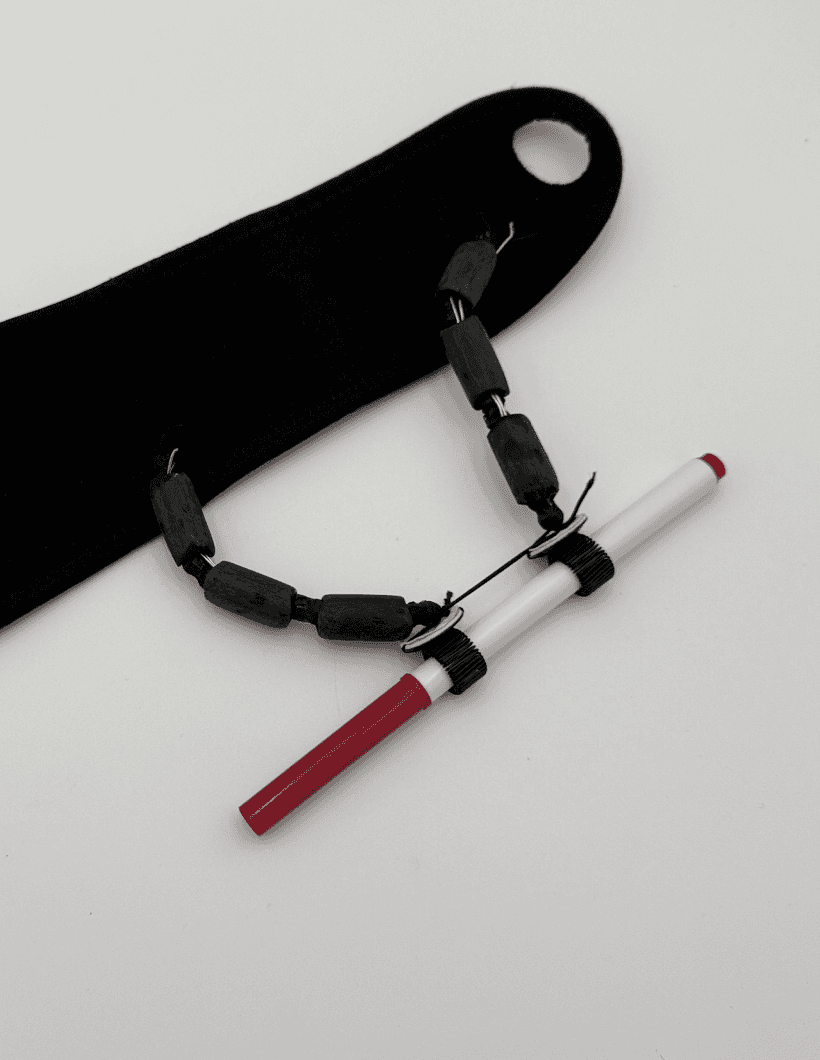
Grip Aid
An adaptive wrist-mounted assistive device designed to support users with limited hand dexterity or reduced fine motor control.
Design by Amelia Velasquez
See Handoff Materials
User Research by Cameron Bell
See Handoff Materials


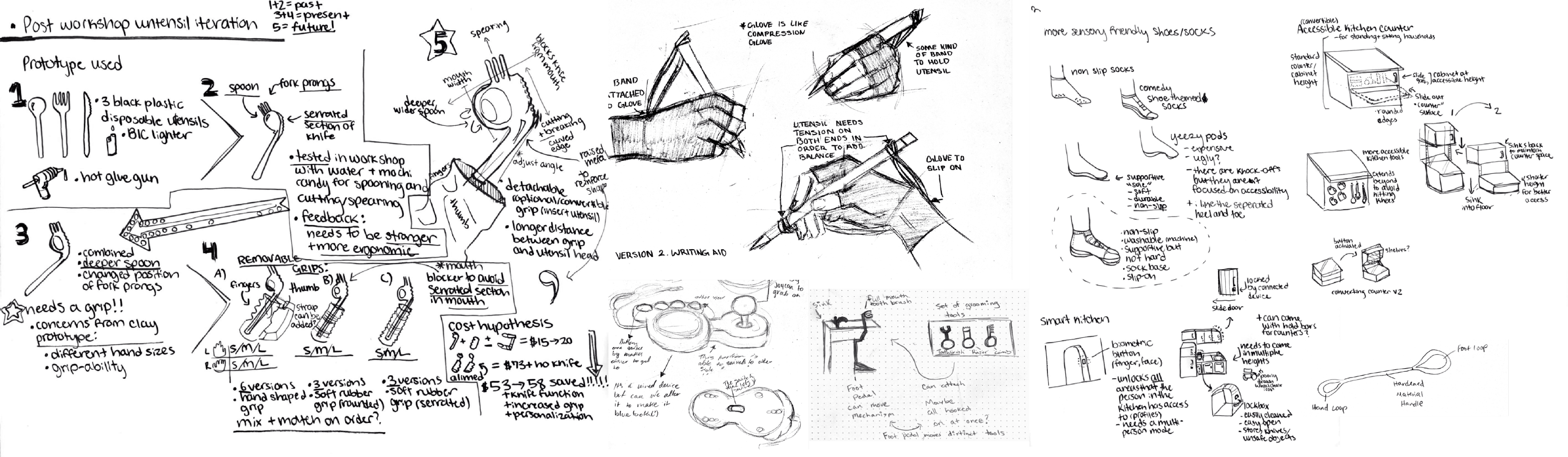
Adaptive Utensil
An adapted eating utensil for independent feeding designed with a cheaper, more personalized, and more multi-purpose functionality.

Design by Amber Waters
See Handoff Materials

User Research by Aaron Tang
See Handoff Materials
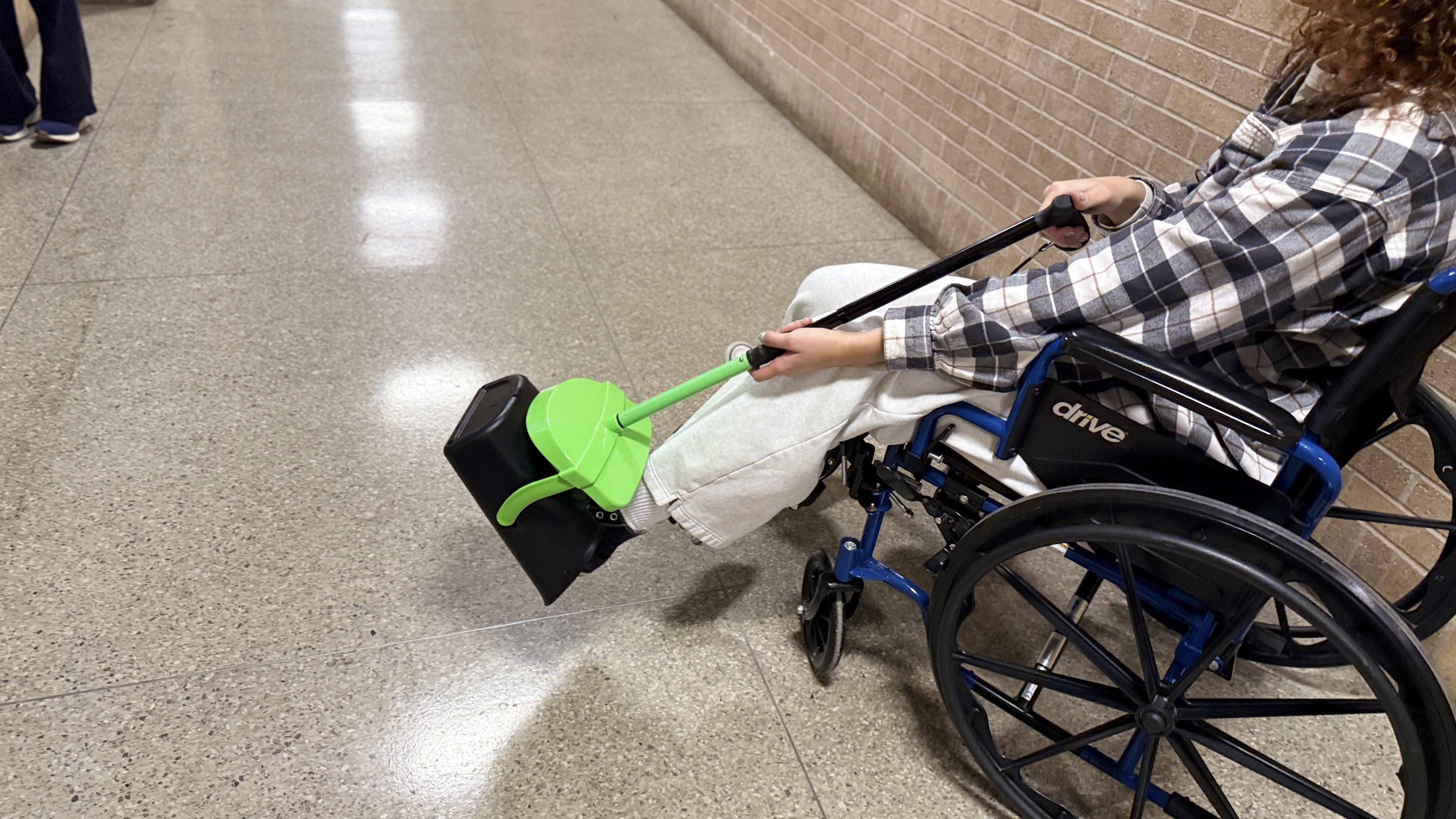
Leg Lift
This tool allows users to independently lift and reposition their legs, offering a lightweight, low-cost alternative to bulky transfer devices.
Design by Camryn Yanes
See Handoff Materials
User Research by Cameron Bell
See Handoff Materials

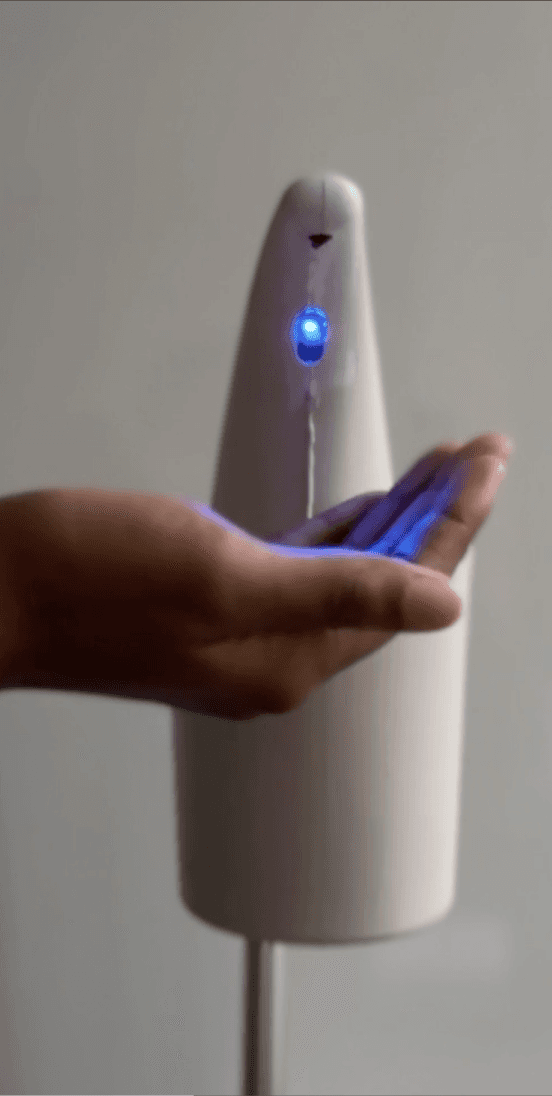
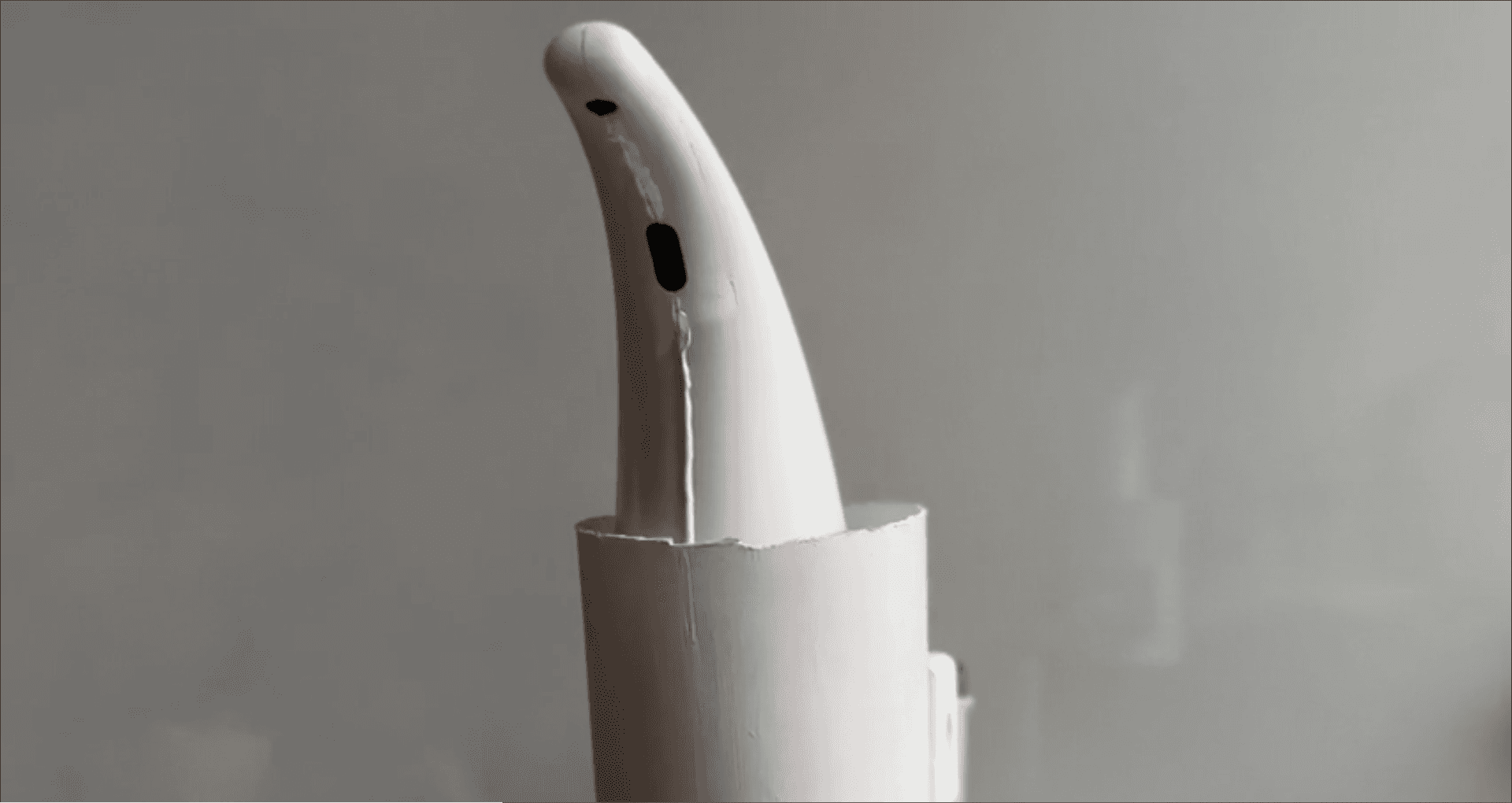
Shower Aid
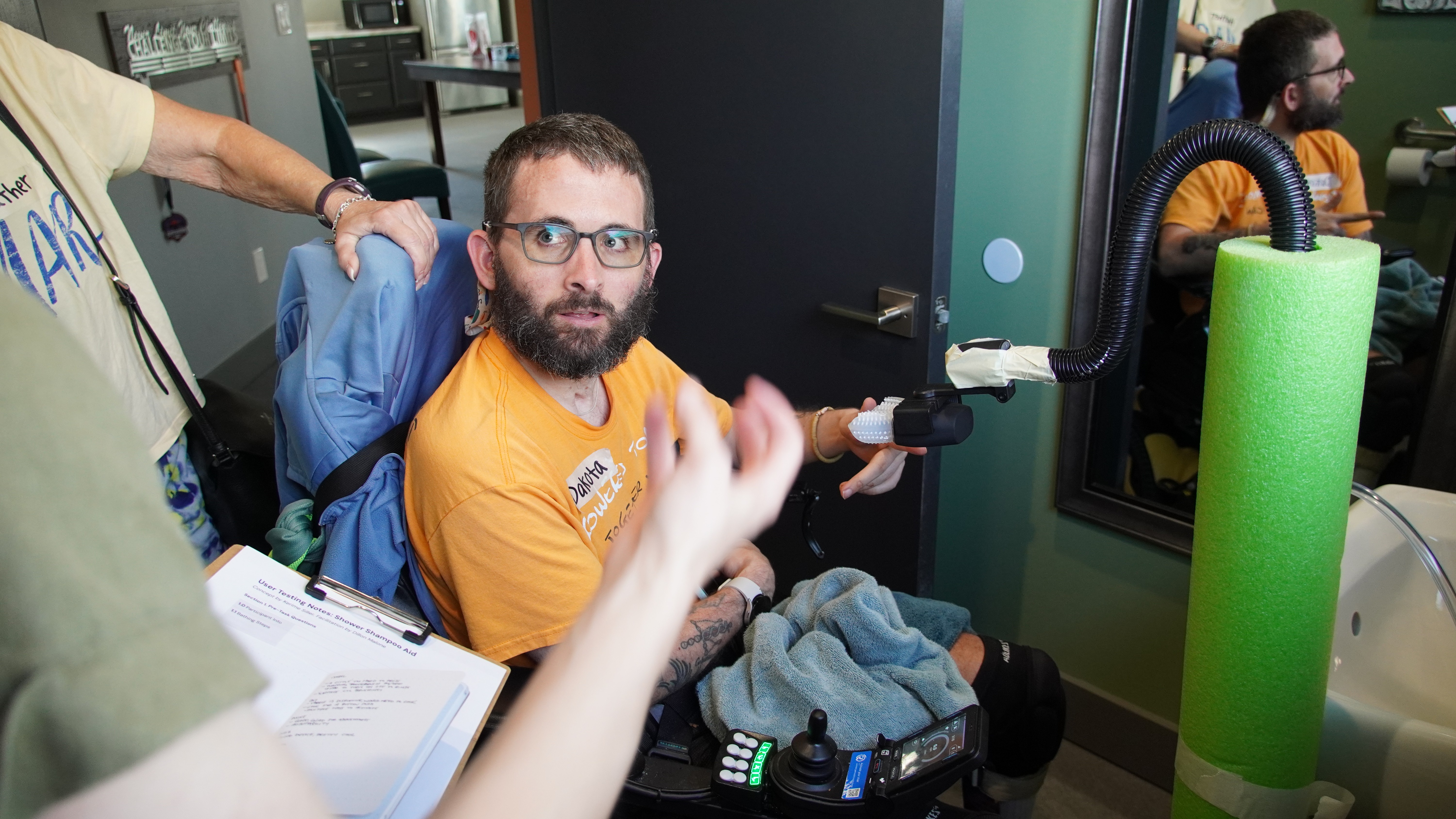
Accessible shampoo kit with an automatic shampoo dispenser and stationary scrub brush for those with chronic fatigue/limited mobility.

Design by Kerime Siller
See Handoff Materials

User Research by Hannah Vice
See Handoff Materials
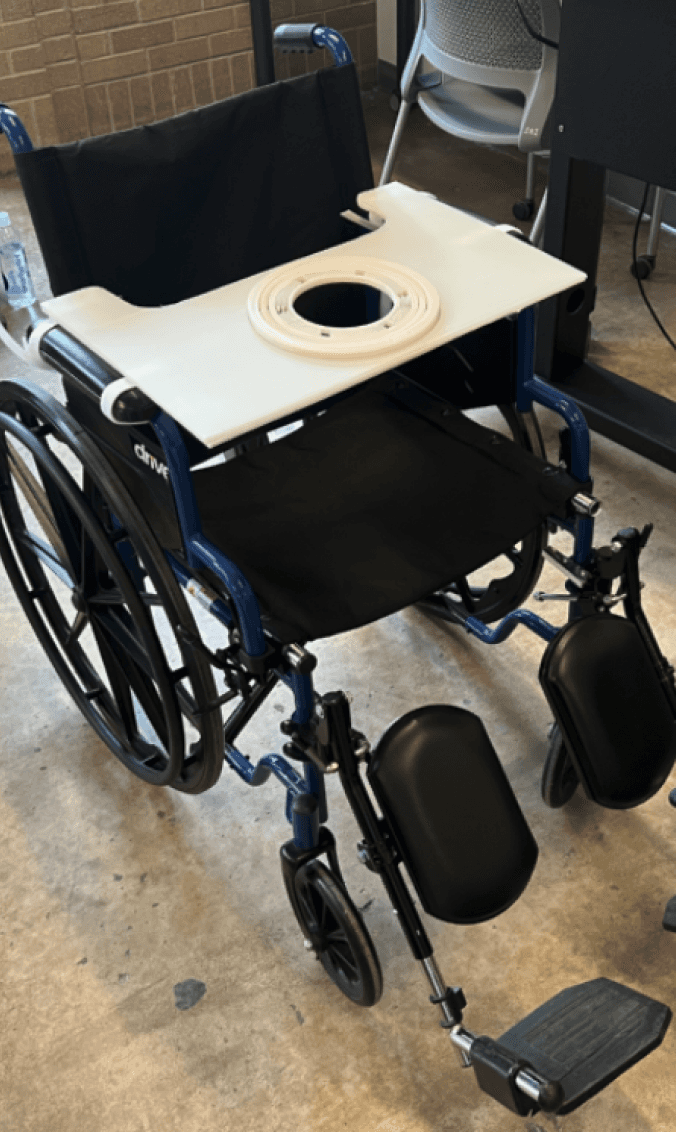
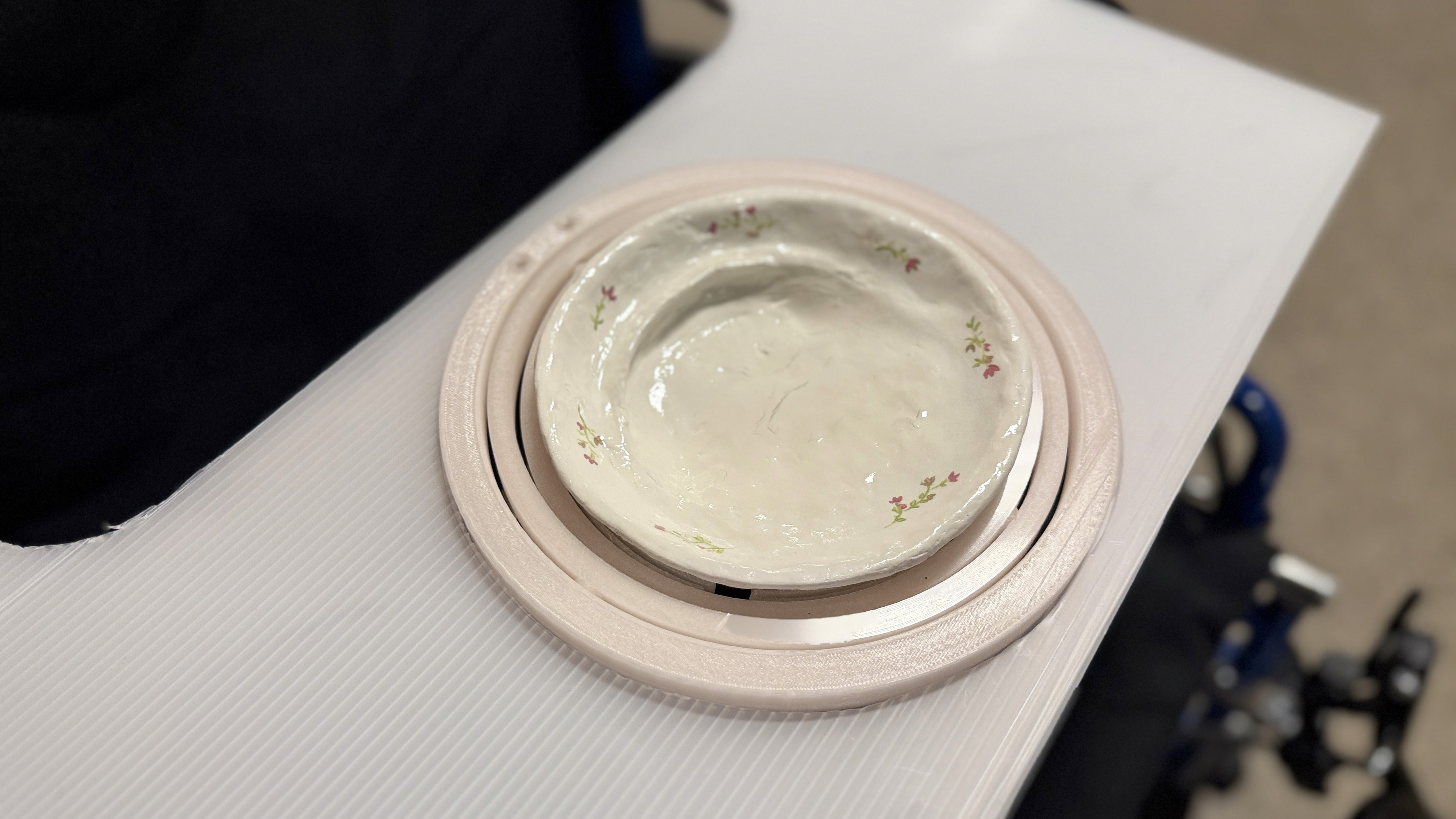
Stabilizing Food Tray
This stabilizing food tray keeps food stable and level even when the user shifts positions, reducing spills for those with limited mobility.

Design by Faatimah Gamble
See Handoff Materials

User Research by Sophia Lee
See Handoff Materials

Stationary Toothbrush
The device includes an Autobrush mounted at adjustable face height, and a foot-activated dispensing mechanisms for toothpaste and water.

Design by Jakael Meadows
See Handoff Materials
User Research by Hannah Vice
See Handoff Materials
Phase 4 - Prototype Workshops
During this phase, our UNT DLL Team facilitated a series of user-oriented workshops and community outreach events across all three teams, focusing on how users interact with physical prototypes and the AI Tool, what environmental constraints affect usability, and how caregivers and adults with disabilities respond to different design approaches.
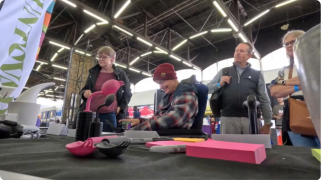
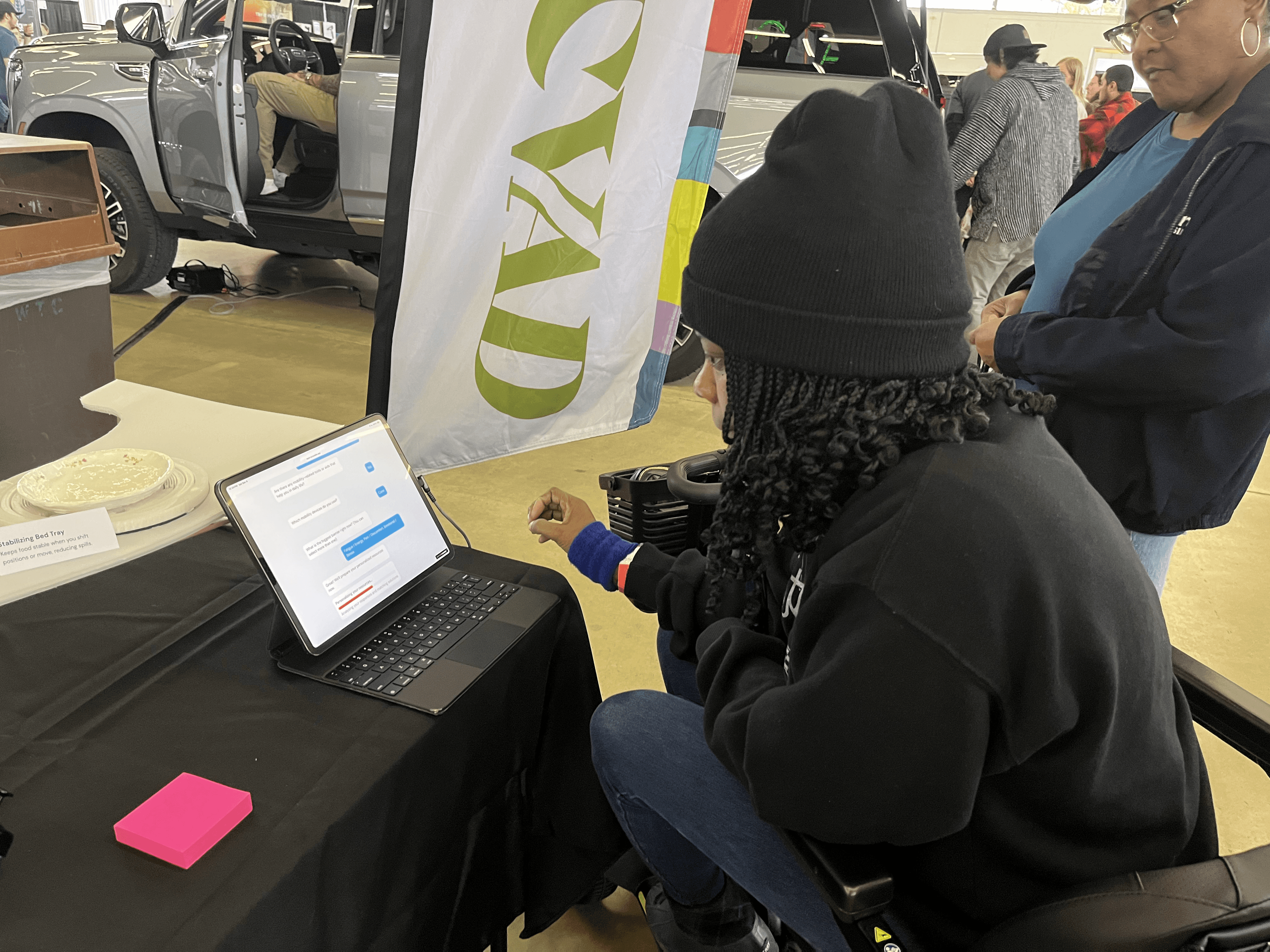
Phase three shifted toward validation and broader market insight. After running two smaller workshops, we brought our findings to the Abilities Expo, a premier event connecting individuals with disabilities, their families, caregivers, and healthcare professionals with assistive technologies and accessibility resources. The expo gave us an opportunity to test the concept outside controlled research settings, engaging directly with people actively seeking solutions. Over the course of the event, I spoke with more than 200 attendees and presented 7 prototypes, gathering feedback that helped us evaluate how the design aligned with real-world expectations and everyday use.
2025 Abilities Expo
Dec. 5-7 • Dallas, TX • 30,000+ Attendees
We attended the Abilities Expo to share information about our project, gather feedback on prototypes, and find potential research participants and partners.
Key Booth Features:
Prototype show-and-tell
Interactive whiteboard prompts
Process photos & videos
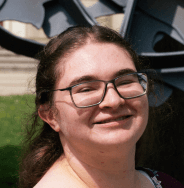
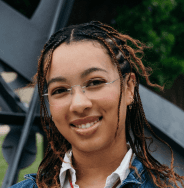
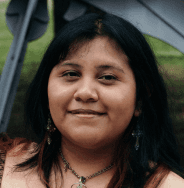
UNT DLL Booth Facilitators:








Key Insights from The Abilities Expo
Attendees wanted tools that acknowledge differences in strength, dexterity, reach, and mobility level.
The AI Tool concept resonated most when framed as a solution finder rather than an AI tool.
Many individuals shared that they ask friends and family for help with their issue rather than search for a solution on the internet.
Many attendees expressed frustration with the high cost of mobility aids and assistive tools.
People enjoyed the personalized recommendations made by the AI tool.
Users want assistive solutions that are cheap and easy to use.

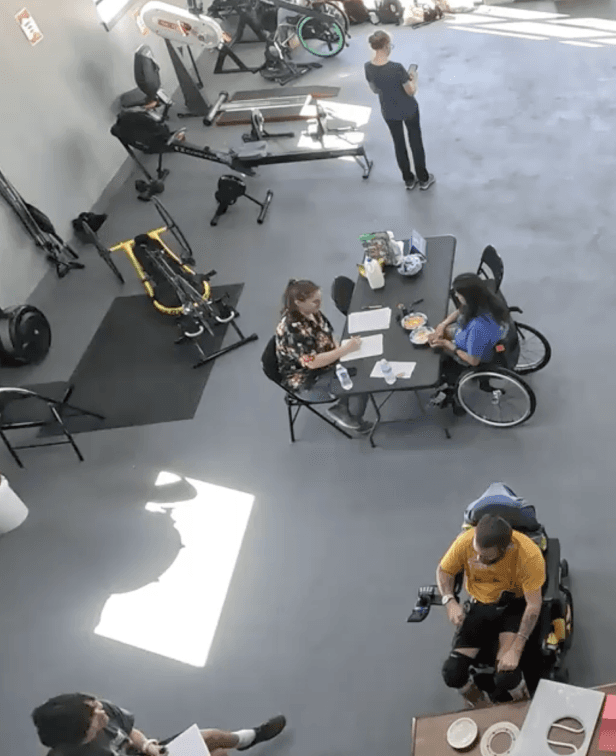


Powered to Move Gym
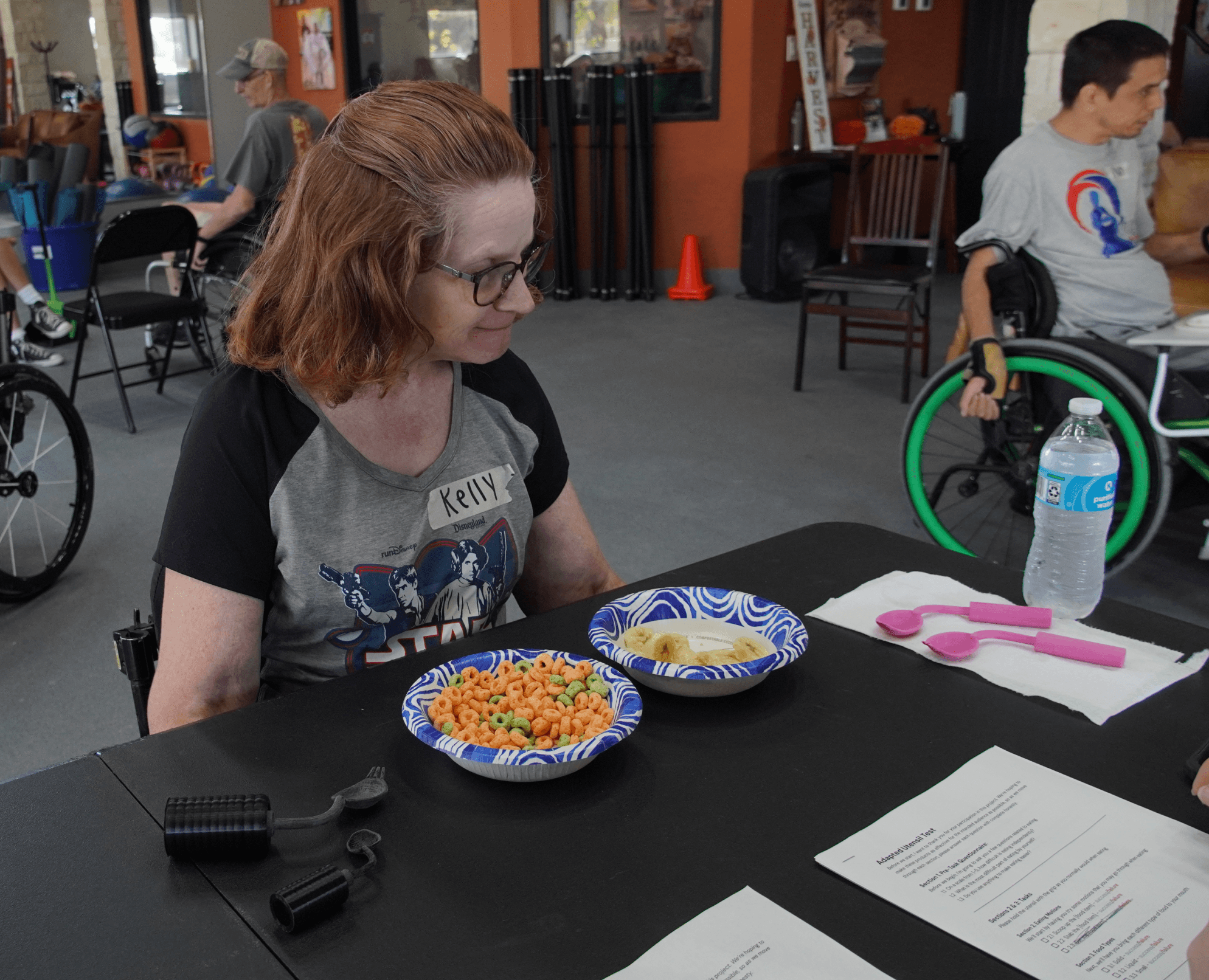
Prototype Testing Workshop
Nov. 15-7 • Wylie, TX • 7 participants
All prototypes were tested with 7 adult wheelchair users. Participants had varying mobility levels. Find testing guides and notes here (Google Drive).
Host & Facilitators:

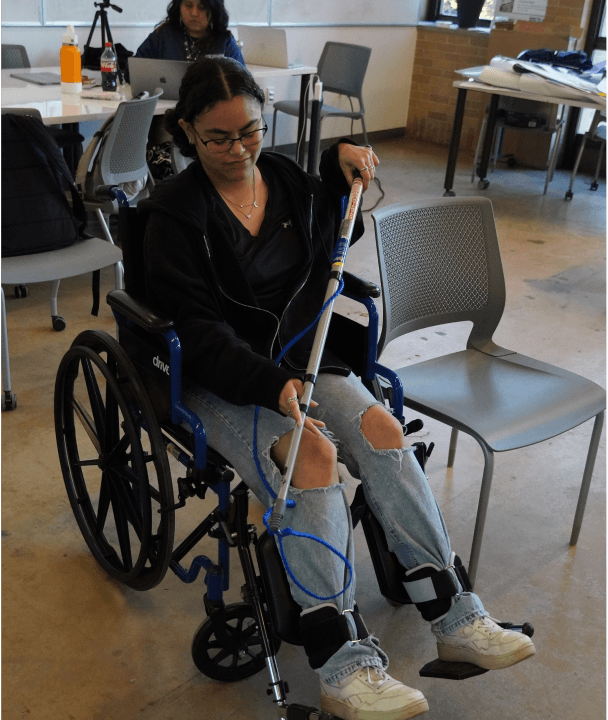
Empathy Immersion
Oct 15 • Denton, TX • 5 Attendees
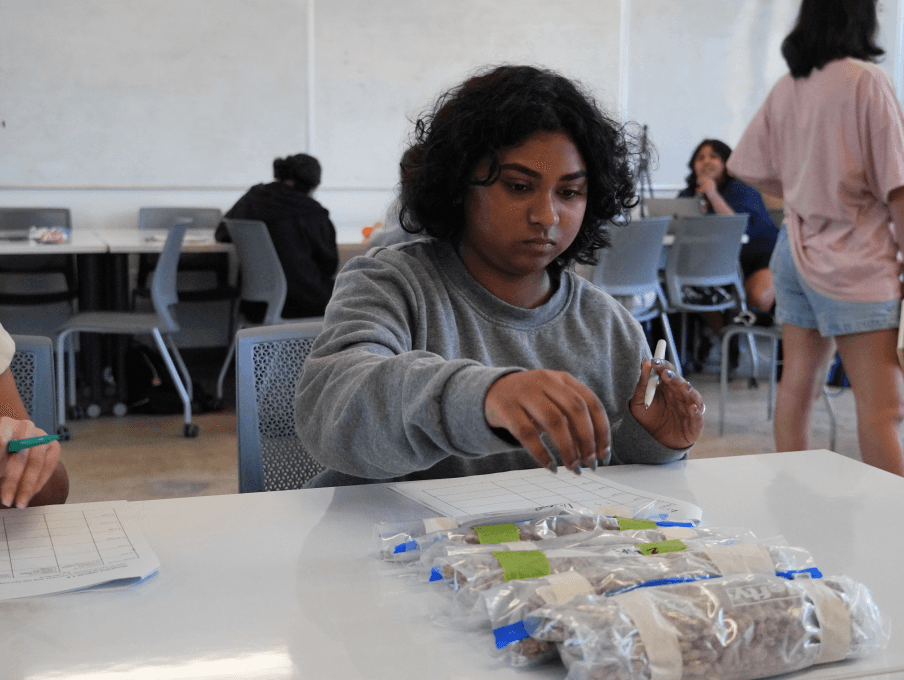
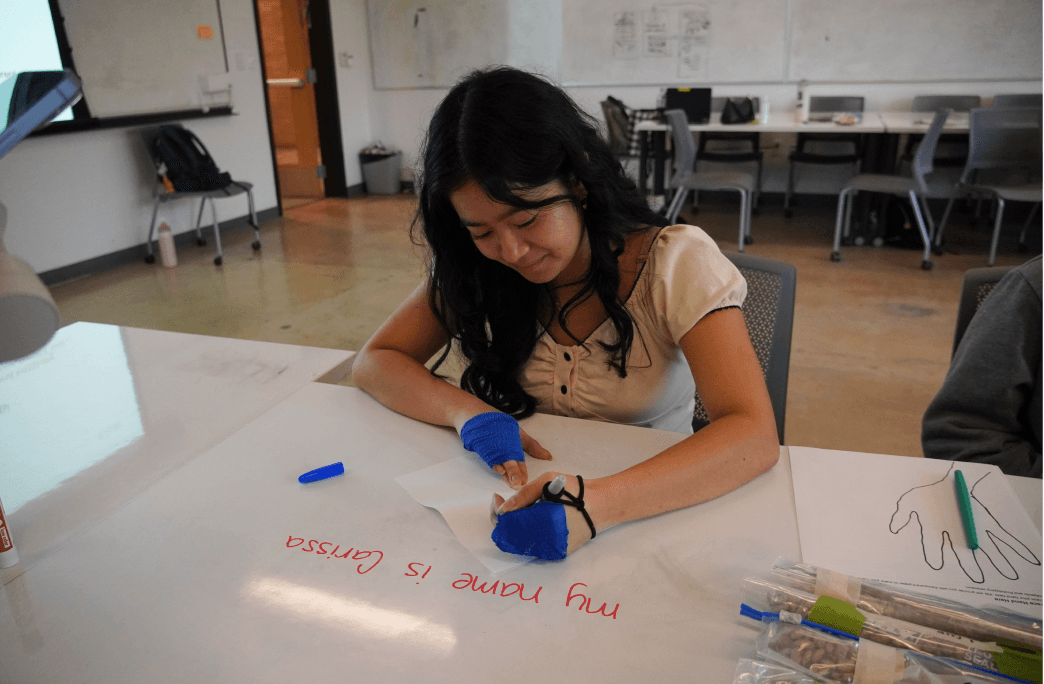
To address initial prototype hurdles, mobility limitations were simulated with 5 able-bodied adults.
See key insights here (FigJam).
Find preparation materials here (FigJam).
Workshop Activities:
Assistive utensil test
Mapping object pain points
Testing weight stability
Wheelchair to chair transfer
Writing aid test
UNT DLL Booth Facilitators:




Key Findings from Overall Workshops
Prototype usability strongly depends on environmental fit, not just function.
Participants struggled with typing and preferred button-based or tap interactions.
Workshops can offer high-value insights because users test devices in real physical context
Across environments, independence is limited not only by physical ability but also by predictability, routine, and emotional comfort.
Users expected the AI to immediately show product suggestions rather than begin exploratory questions.
Age-based questions were perceived as irrelevant.
Project Takeaways
Disability is not defined by a person's condition. It's defined by the environments and systems around them. The barriers show up in the smallest moments: an inaccessible sidewalk, a bathtub that can't be entered safely, a product that's either unaffordable or poorly made. These friction points don't exist in isolation. They compound daily, quietly narrowing what's possible.
What this project reinforced is that the gap isn't in the people but it's in the design. When disabled people are included in decisions, when products meet the middle ground between cost and quality, and when everyday friction is treated as a solvable problem rather than an accepted reality, outcomes genuinely improve. The opportunity is there. It just requires the willingness to look at ordinary moments as worthy of better solutions.

Next Steps
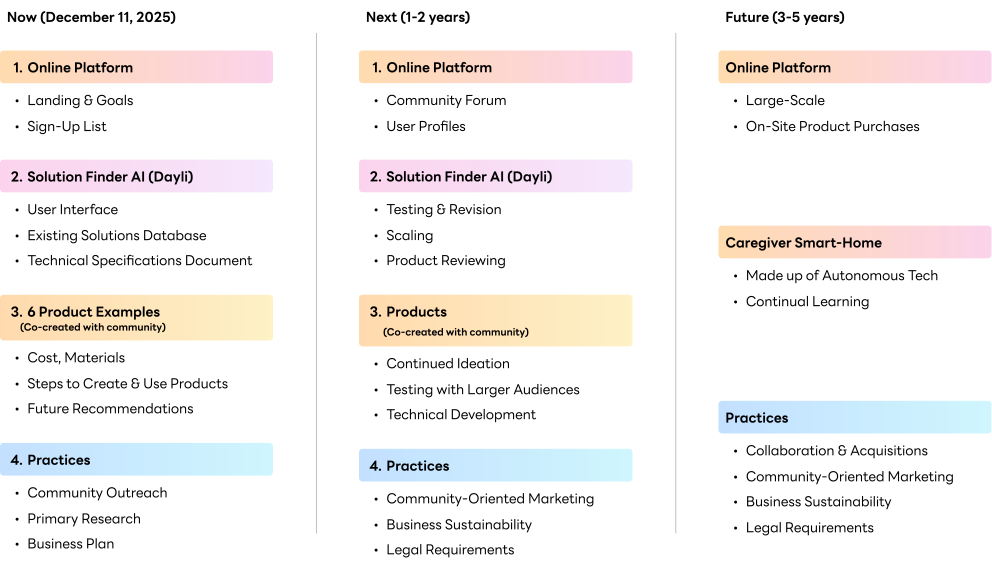
Continue to develop the platform, processes, and partnerships of Daily Living Labs.