
HBO Max
Building a community around gamifying watch parties
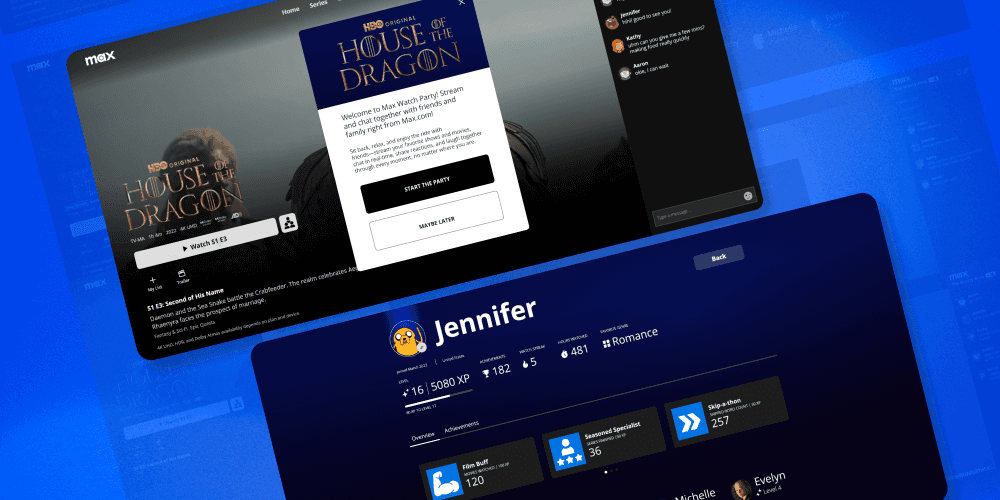
As lead UX designer, I explored how introducing game mechanics could transform a traditional streaming service into an active, community-driven entertainment ecosystem while preserving its premium status.
Product
Role
UX Designer
Skills
UI Design
Prototyping
Gamification
Tools
Figma
Procreate
Adobe Suite
Timeline
March — April 2024
Team
Aaron Tang
Overview
Binge-watching with friends and family is one of life's simple pleasures but sharing that experience isn't always easy when people aren't in the same room. While platforms like Netflix, Max, and Hulu make discovering content easier than ever, but the challenge remains: How do we bring people closer, even if they’re miles (or snacks) apart?
Outcome
The research confirmed a strong user demand for shared viewing experiences and identified a market gap Max can take advantage. The resulting Watch Party prototype emphasizes seamless syncing, accessibility, and compatibility across plans. Early testing showed increased engagement and connection among users, validating the feature’s potential to boost retention and differentiate Max in the streaming space.
Project Objectives
We aimed to develop a native watch party feature for max that will enable users to view the content in sync with the chat feature integrated with the platform. It aims to enhance the viewing experience through social viewing and light gamification features like achievements or badges. At the same time, the project aims to differentiate the max platform from other streaming services like Netflix, Hulu, Disney+, or Prime. It aims to win back the value that is currently being siphoned off by third-party services.
Finding Opportunities
Watching shows can be feel disconnected because streaming services lack a built-in, real-time social viewing experience.
Approximately 23% of users use external co-watching apps due to the lack of built-in social viewing on major platforms, despite nearly half of all video viewing time being spent with others. Existing solutions are fragmented or unreliable, leaving users disconnected from the social experience they crave while streaming.
Recognizing this opportunity, we gamified a co-watching experience that transforms solo streaming into a shared moment through Max.
MVP Outcome
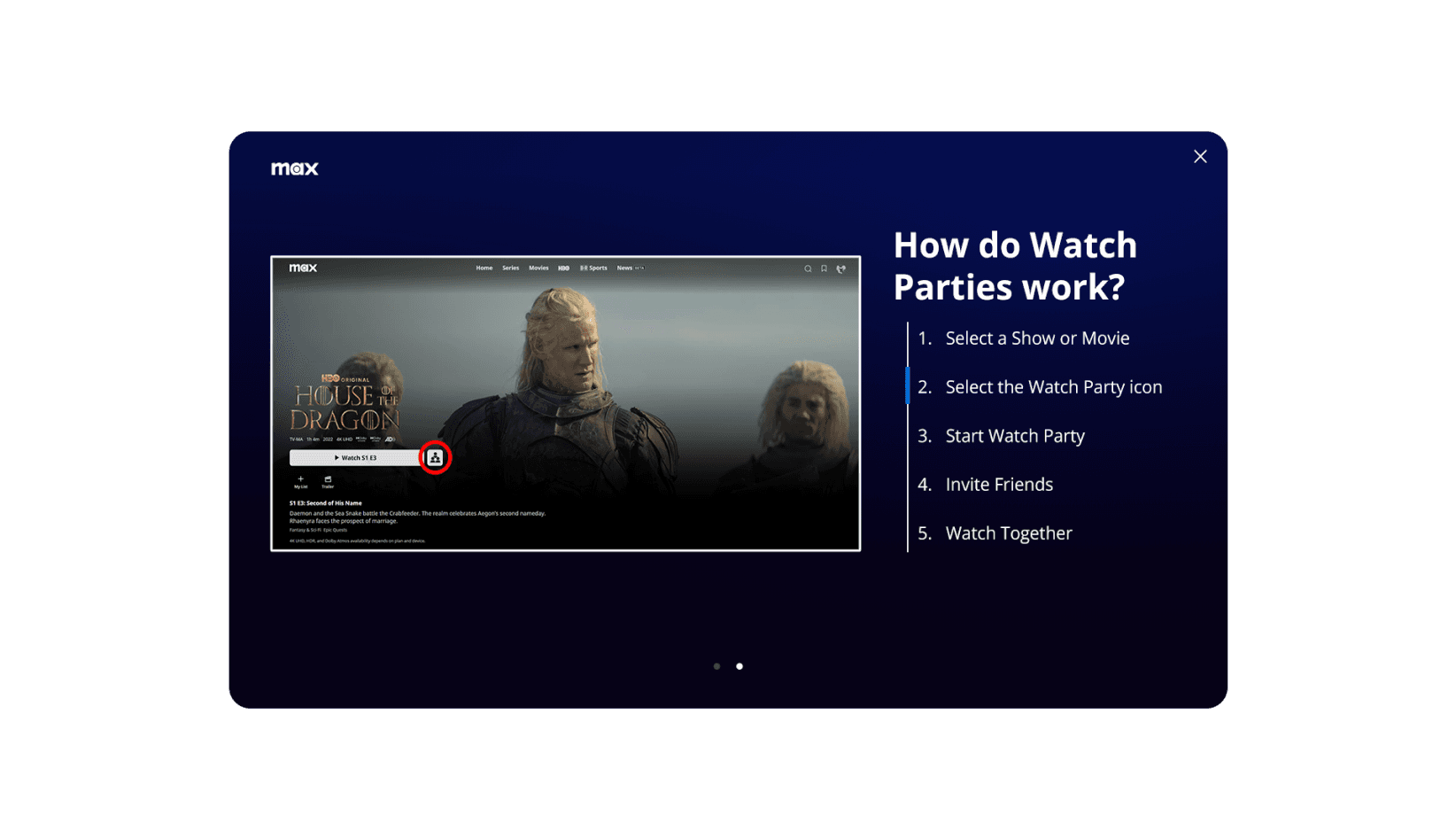
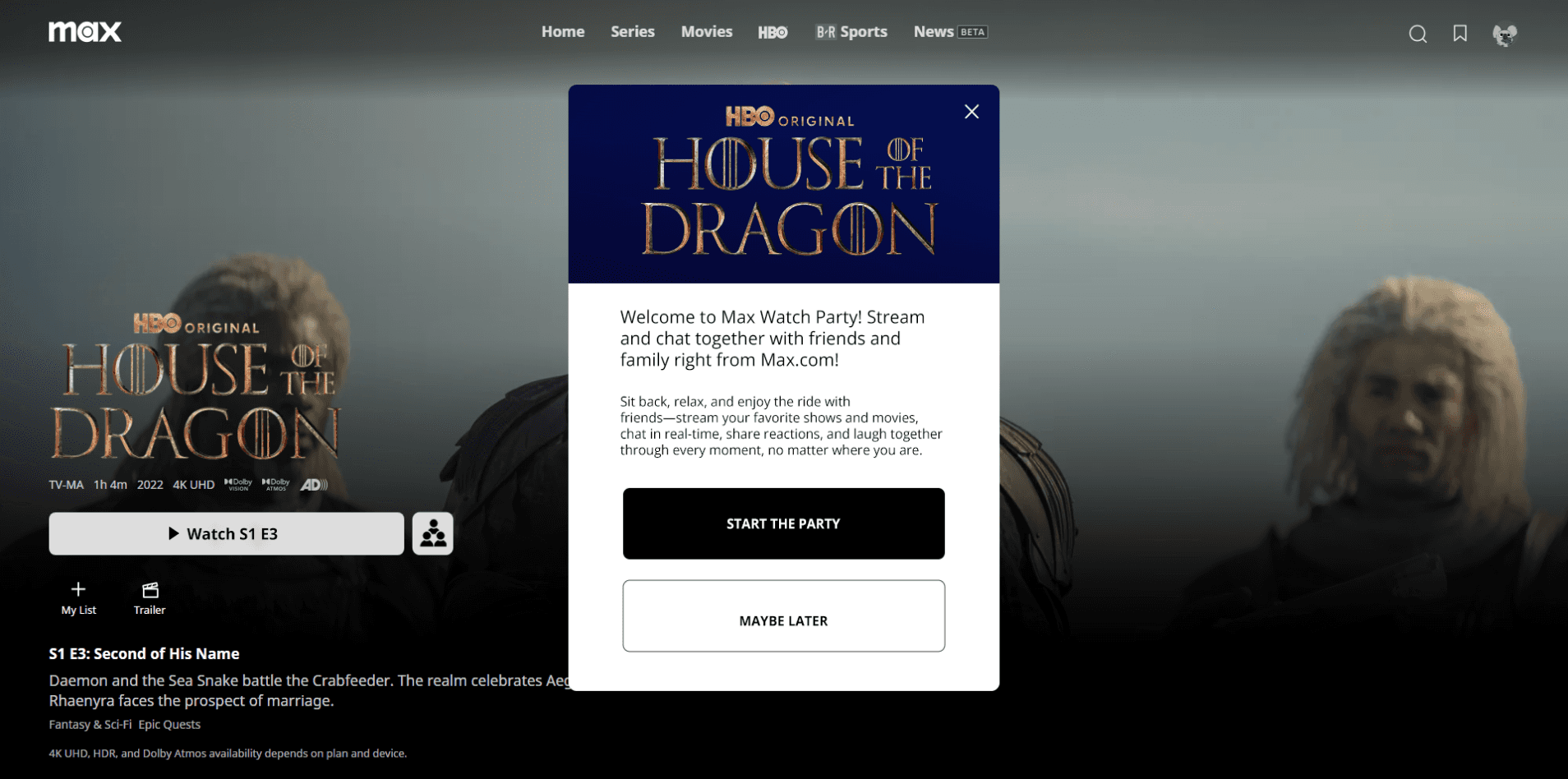
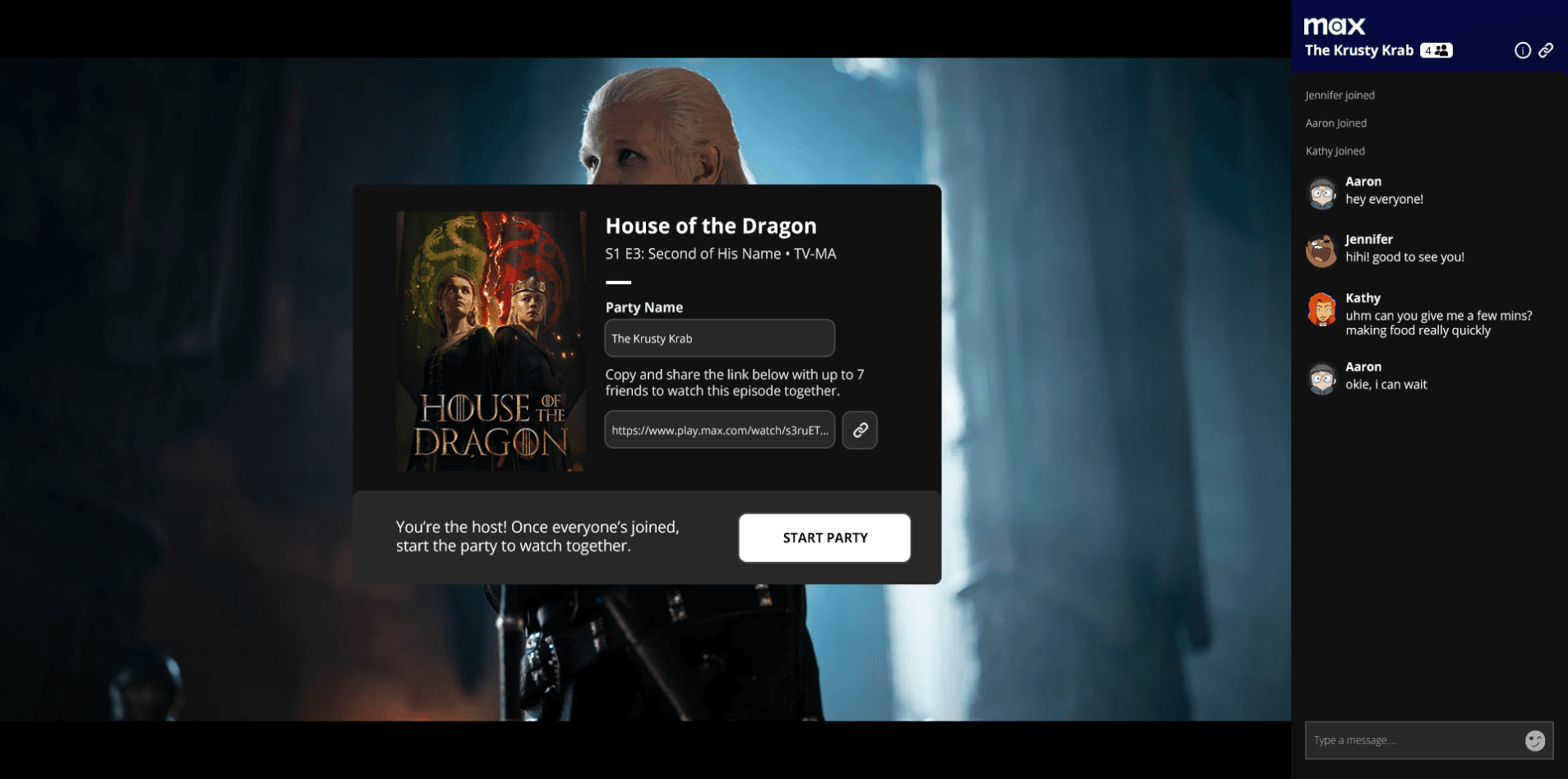
Turn group plans into shared plans. The “Watch Party” tool offers users the ability to join or create viewing sessions within the platform itself.
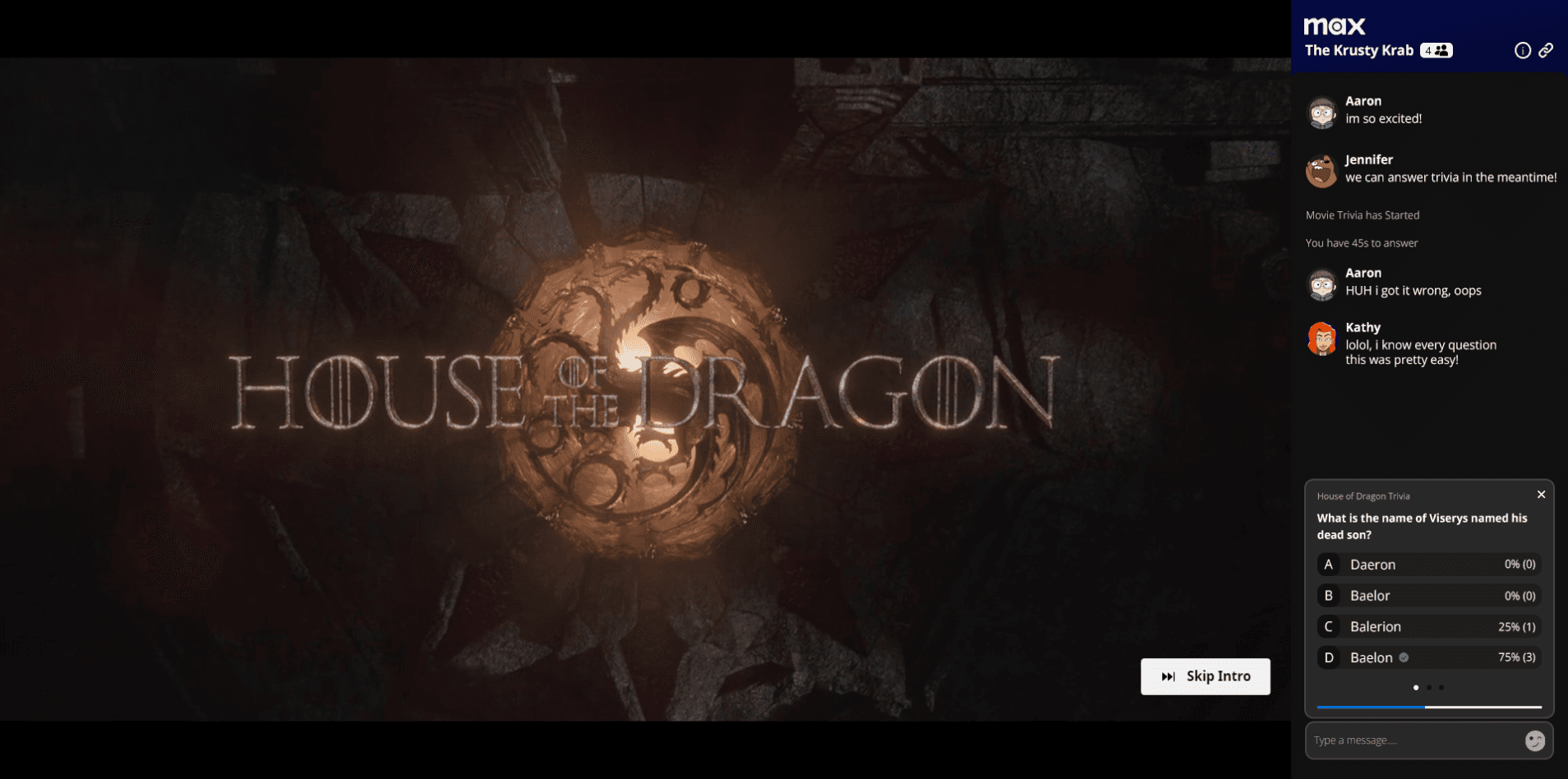
It adds a layer of gamification by offering users achievements and badges depending on activities like viewing series with friends or holding multiple watch parties. It also offers trivia to watch parties, and this aims to not just make it easy to socialize within the platform without the need to utilize third-party services. Furthermore, retain users and make it more social and make it a community-based service compared to other platforms.
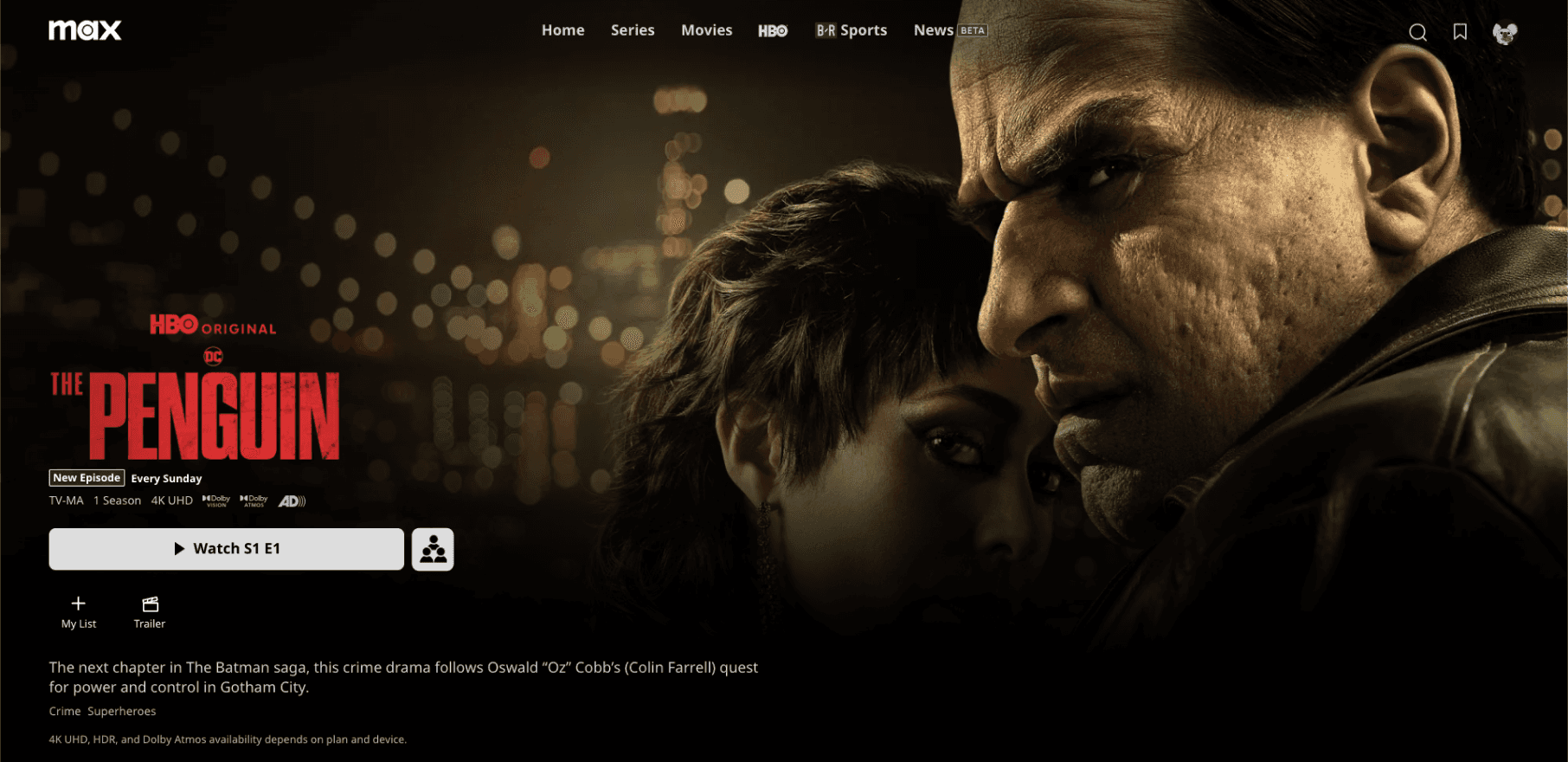


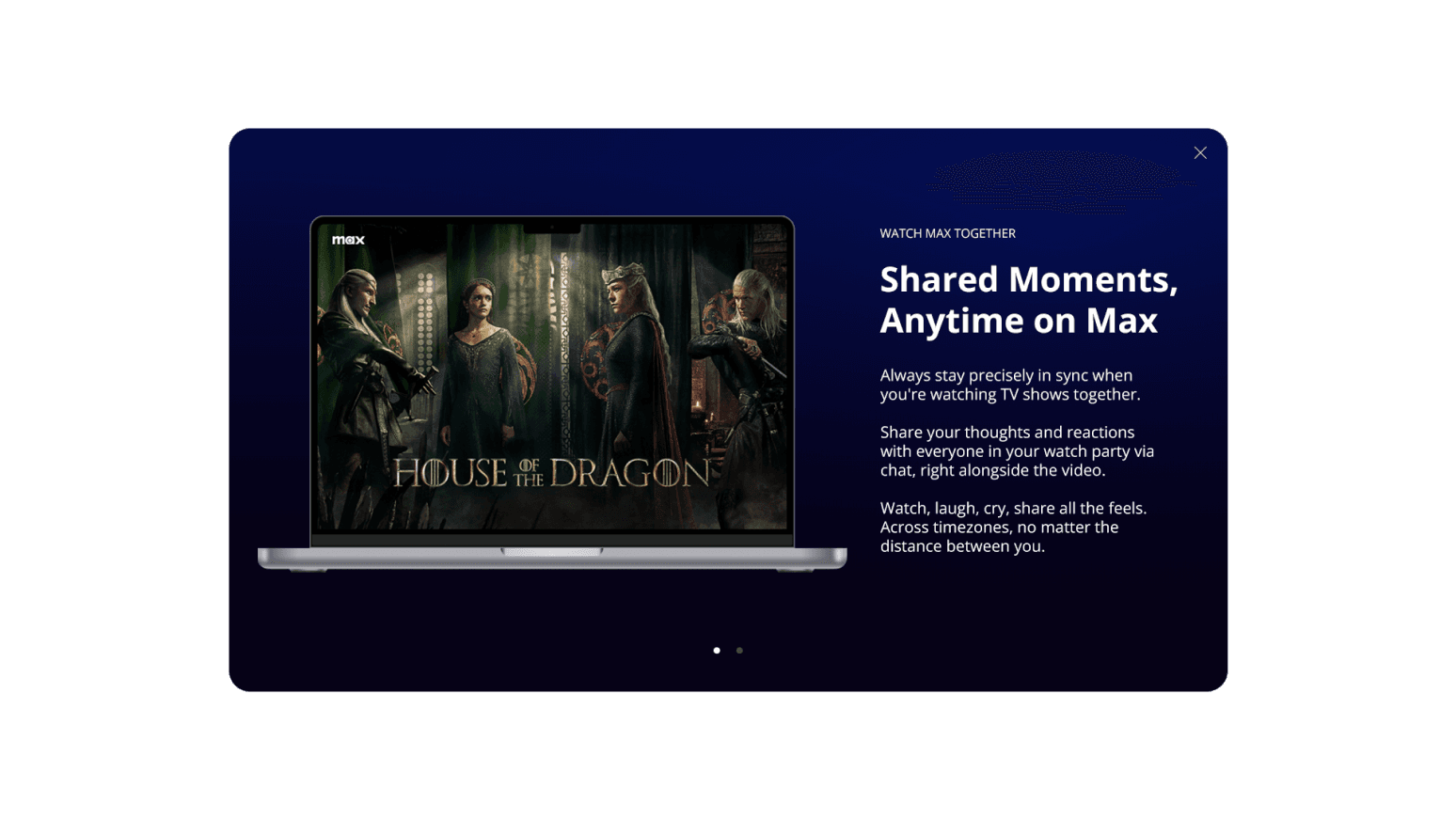
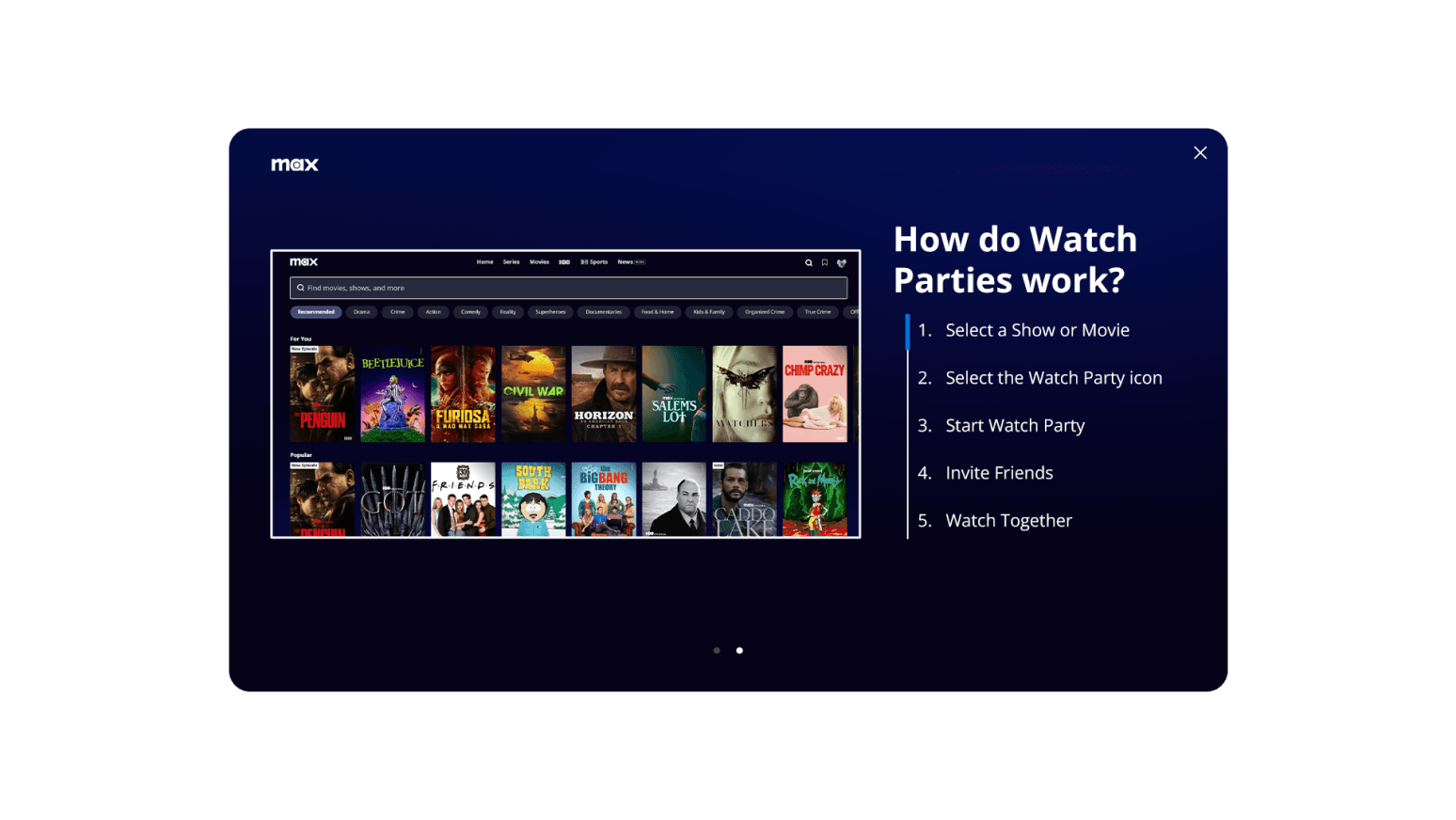
Onboarding
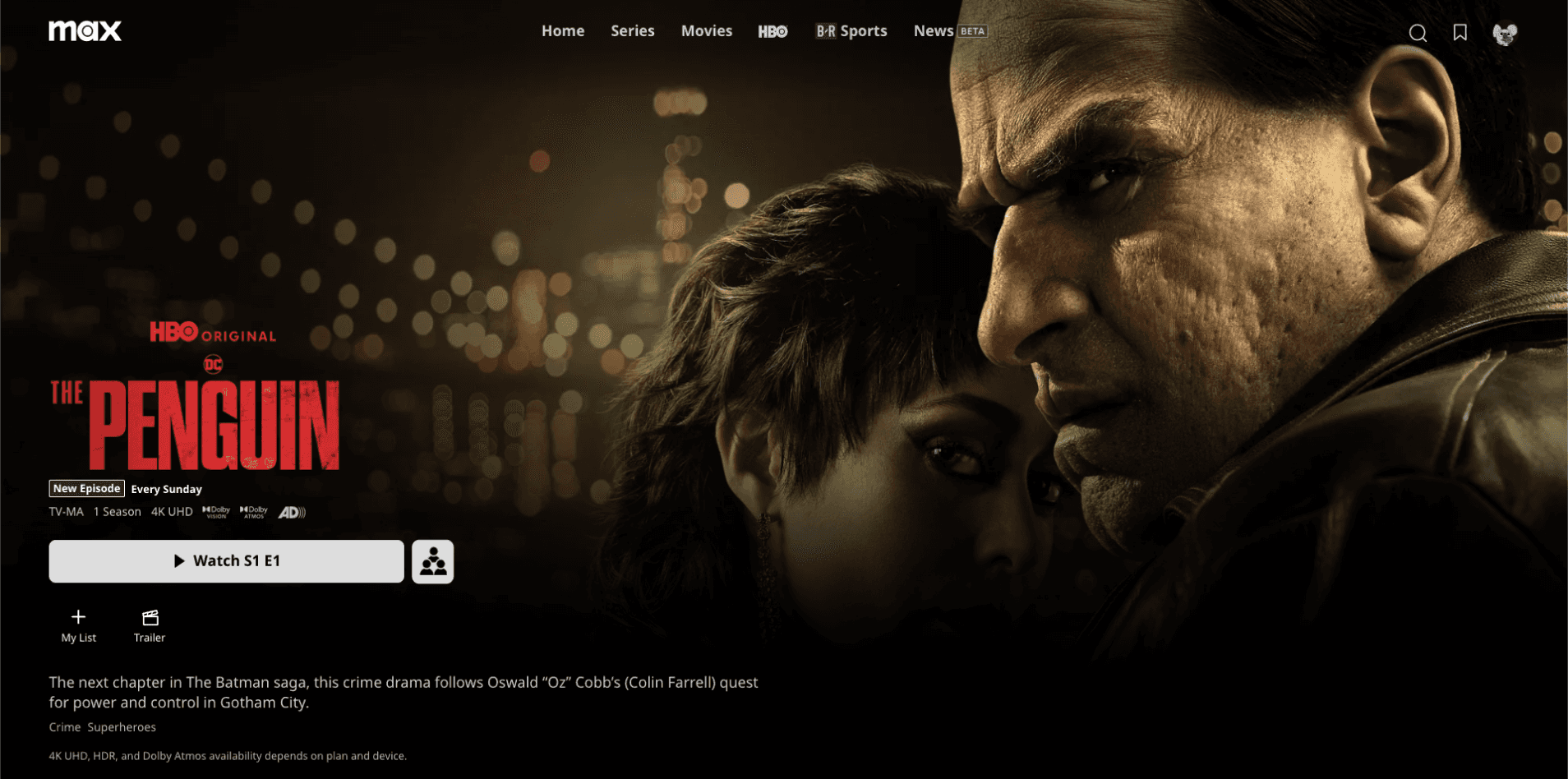
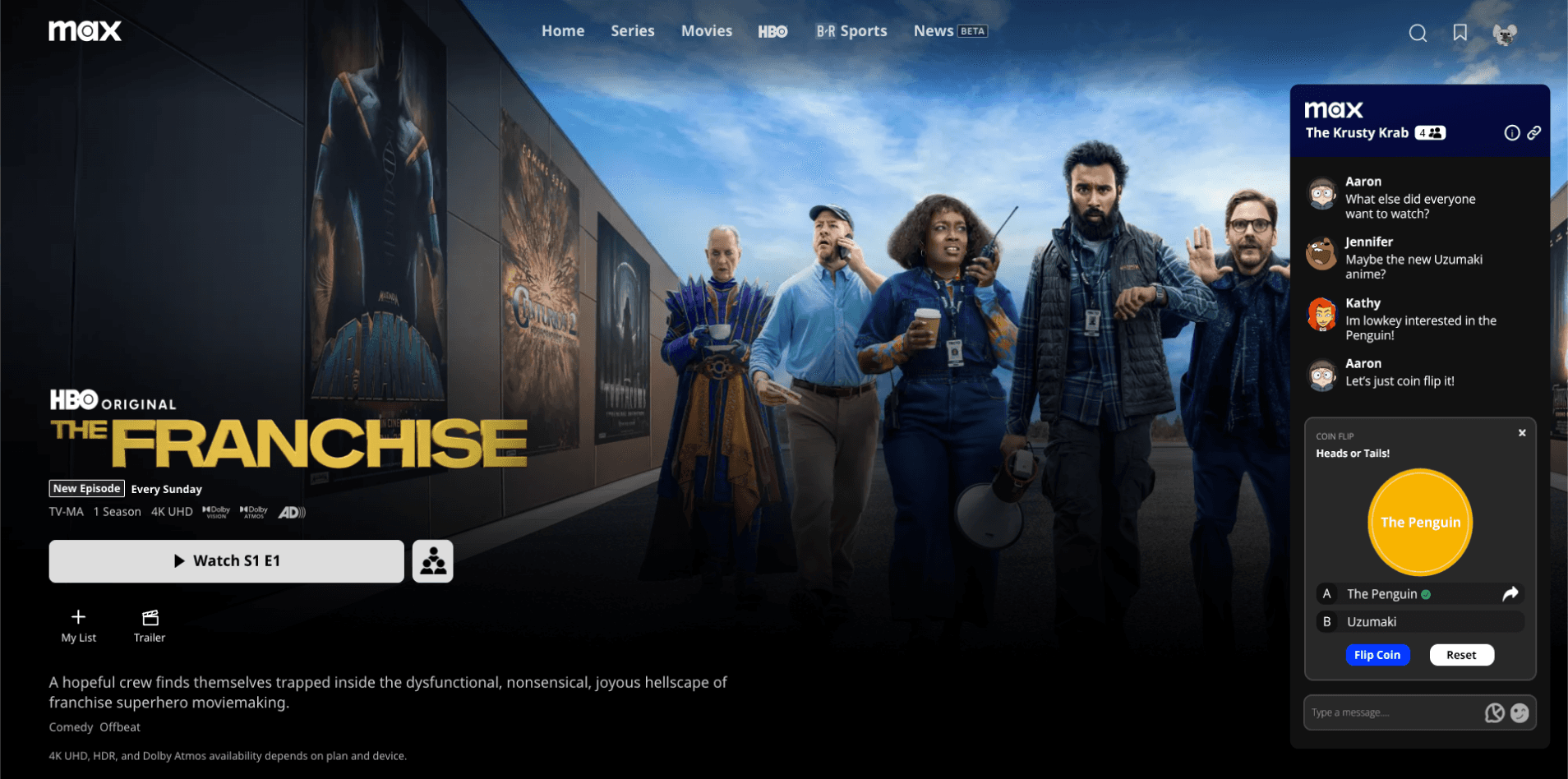
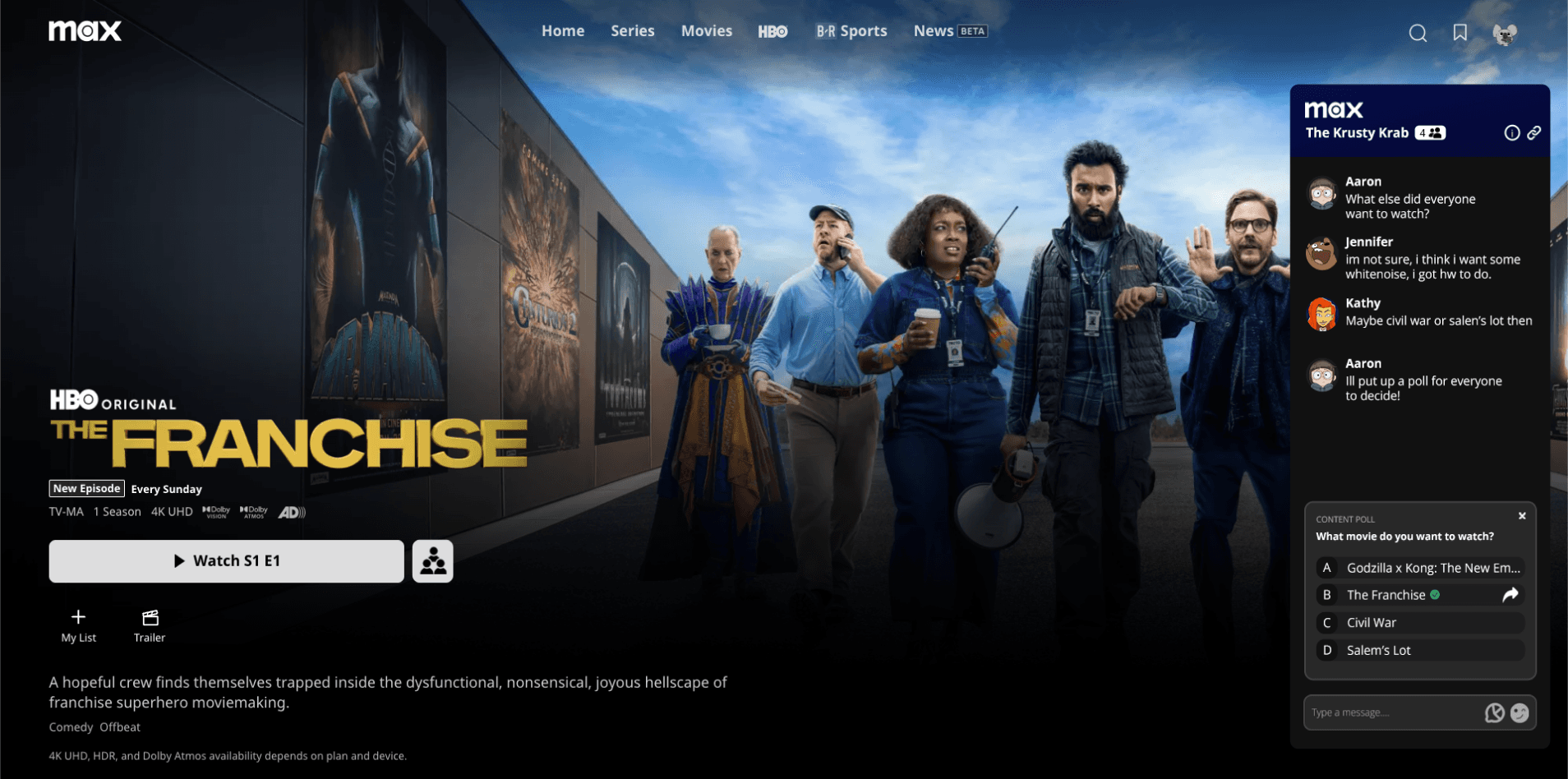
Hosts can pick a new show to watch or party members can be polled about which movies they would like to watch.

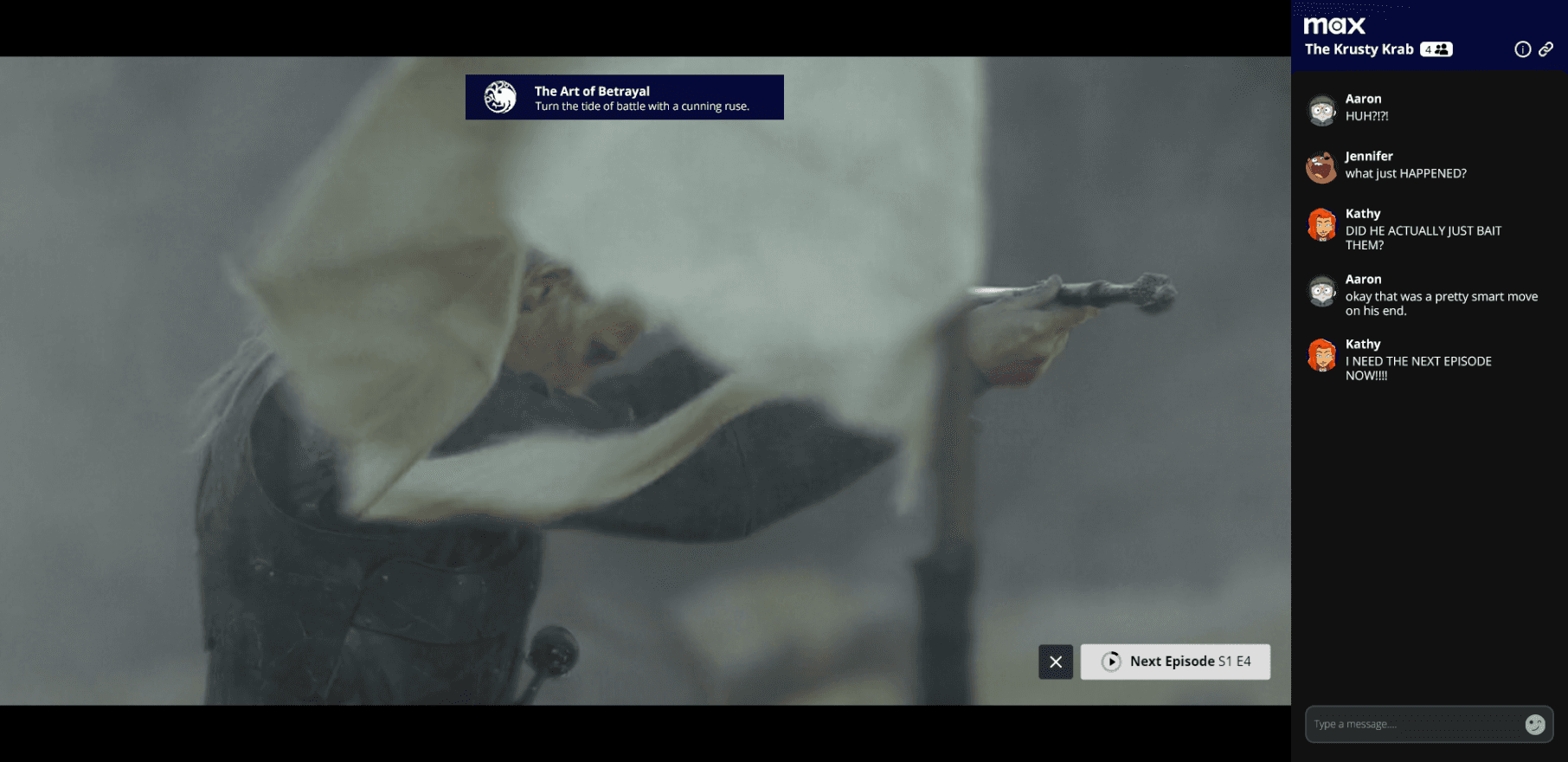
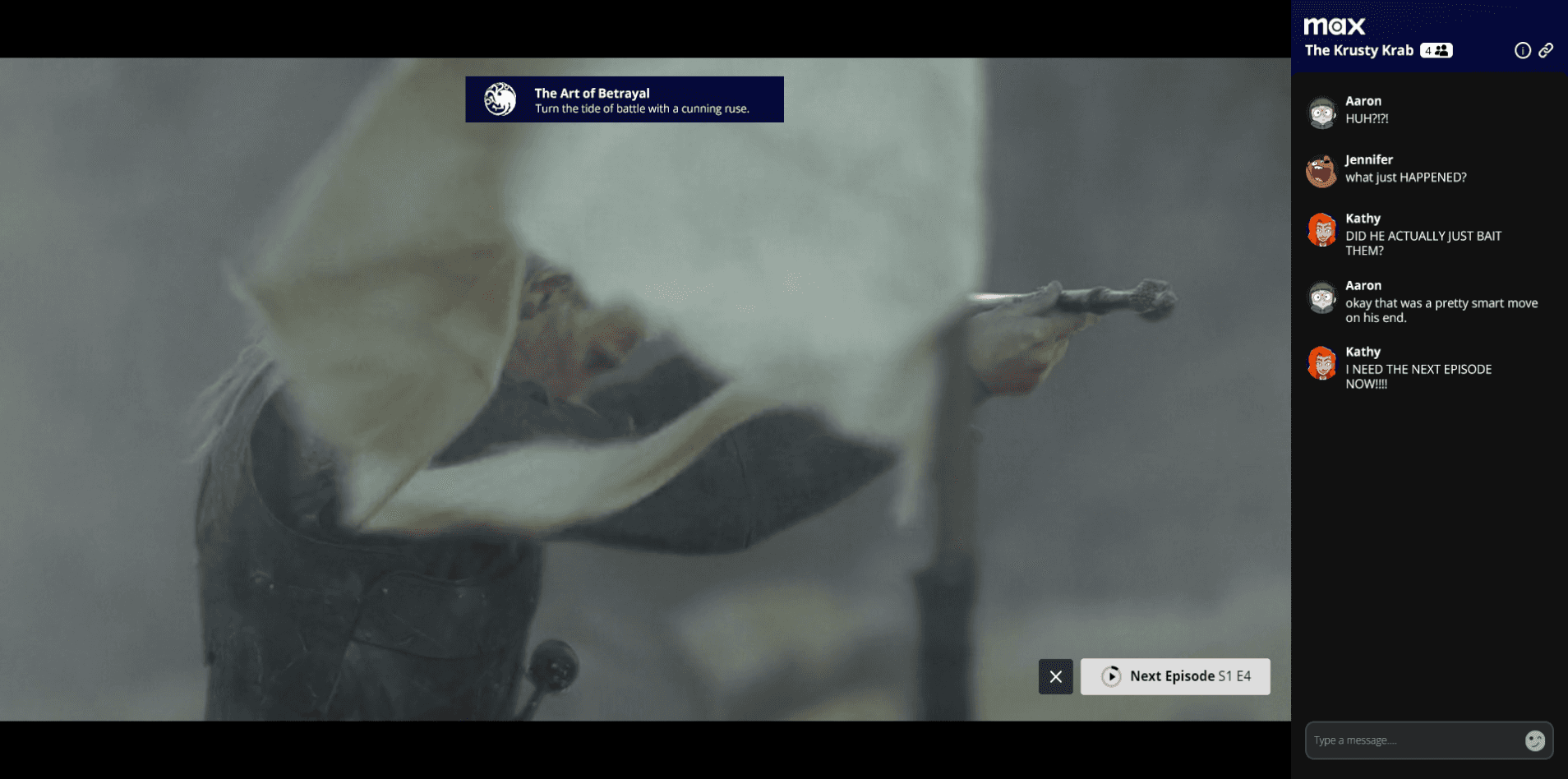
Chat Room
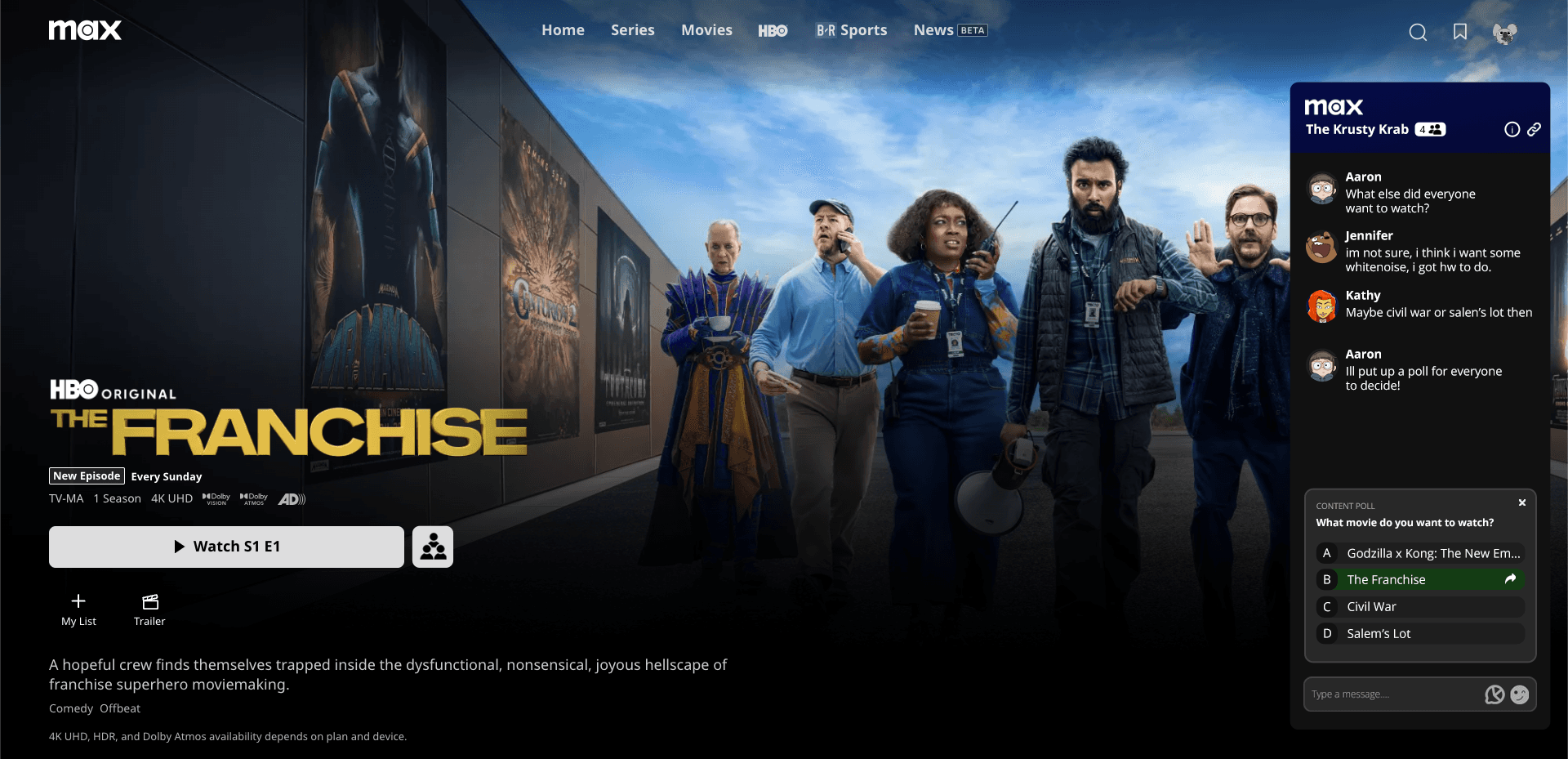
Integrated chat rooms allow users to communicate while also enriching their viewing experiences.
Hosts can pick a new show to watch, or party members can be polled about which movies they prefer to watch instead.

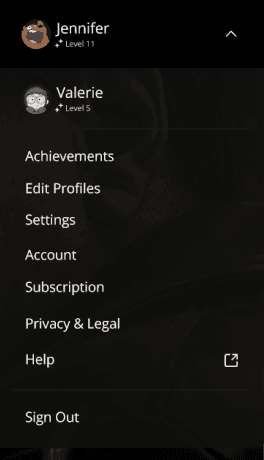
Overhauled User Profiles
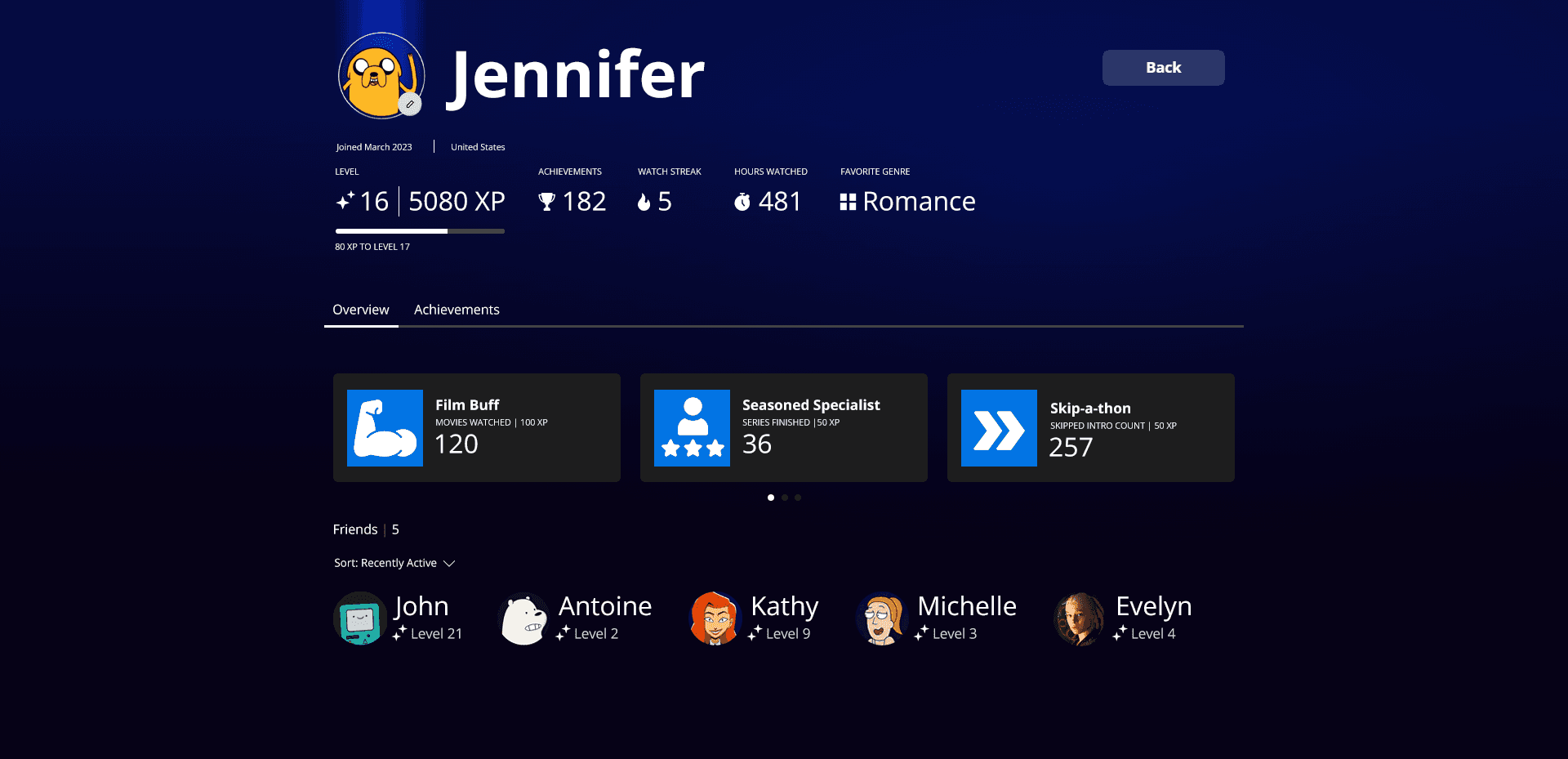
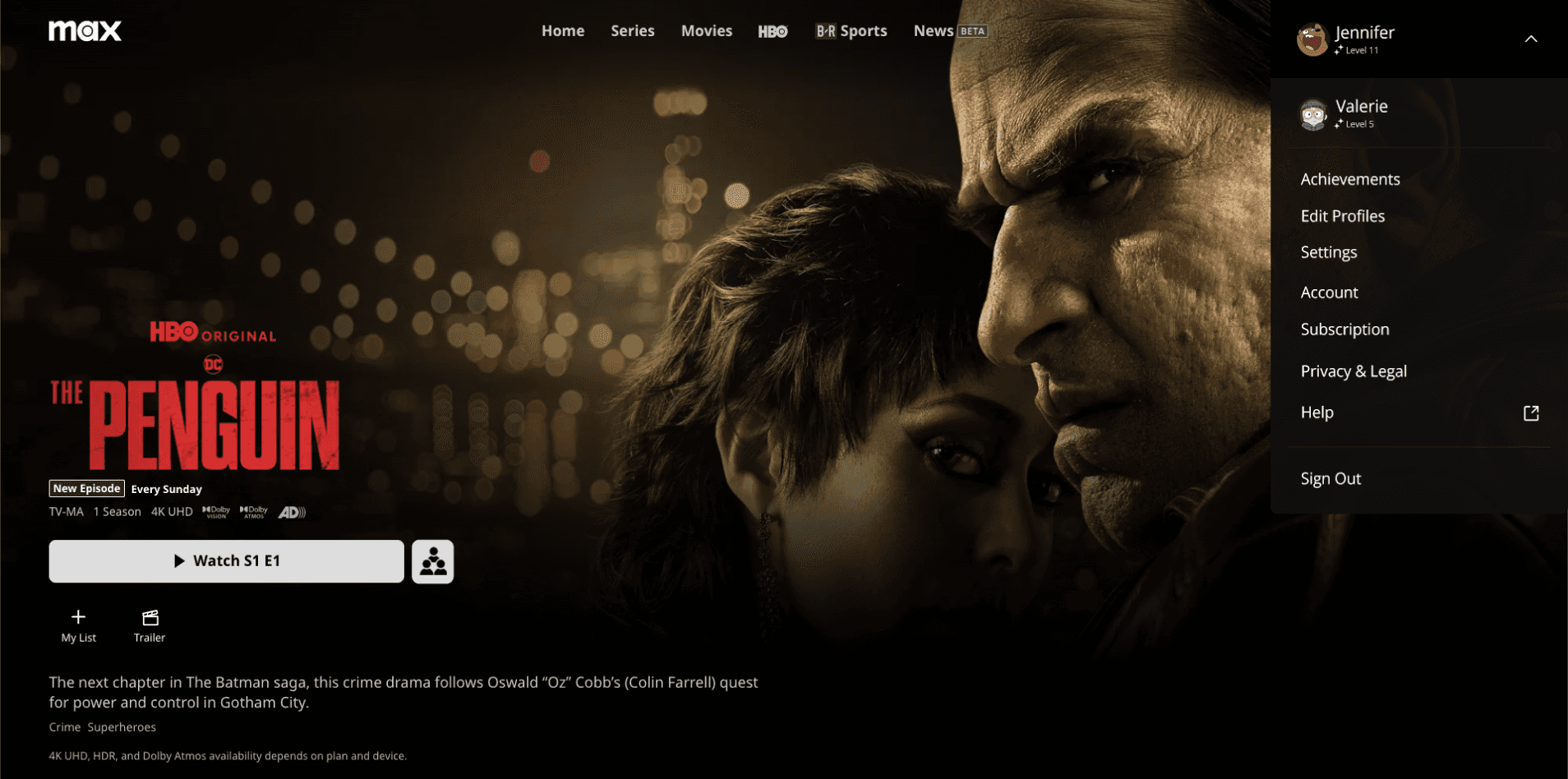
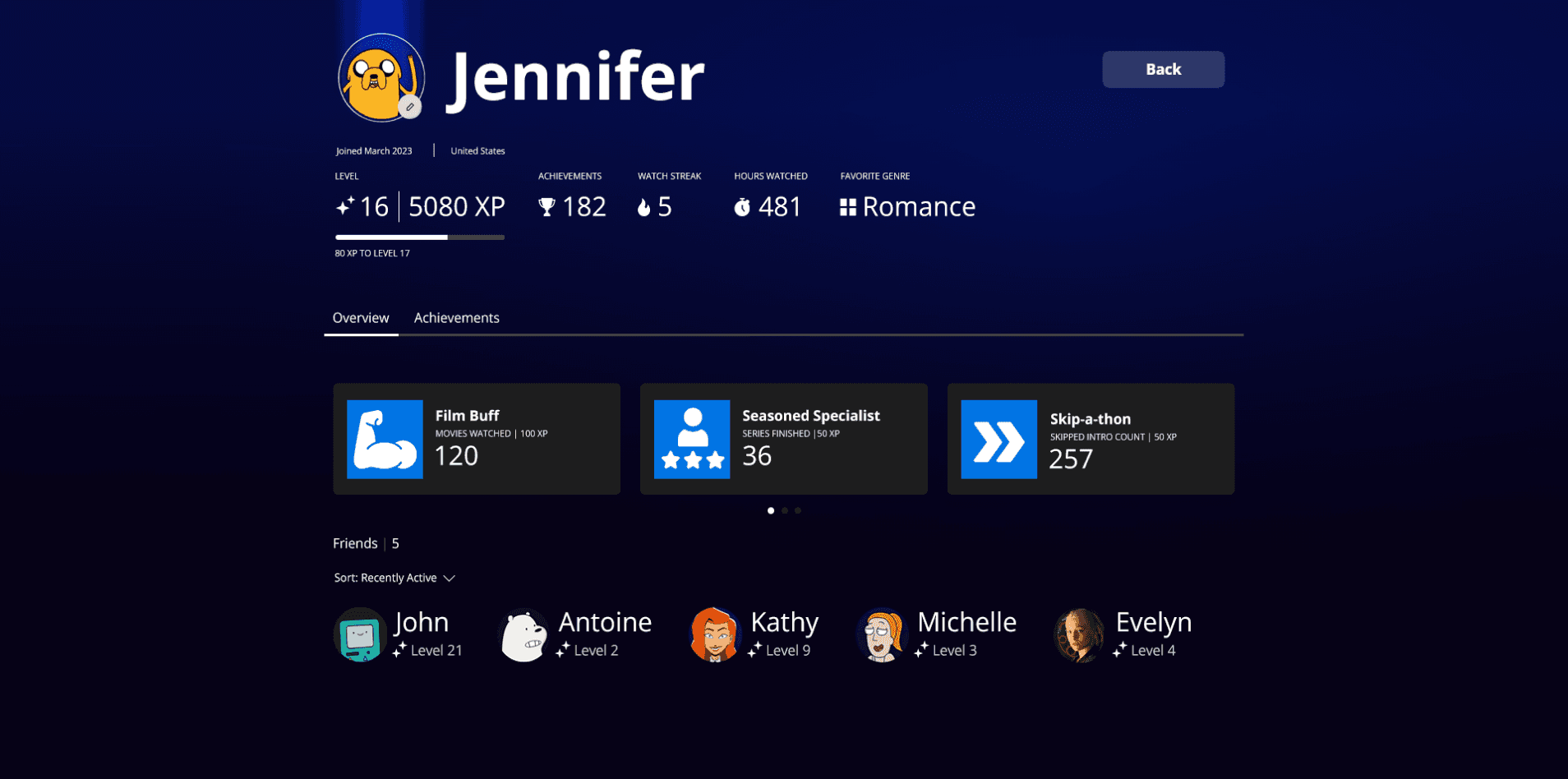
Users will get more out of their profile. They’ll be able to check their progressions and statistics.
Users earn personalized achievements that acknowledge their unique milestones, enhancing their sense of accomplishment.


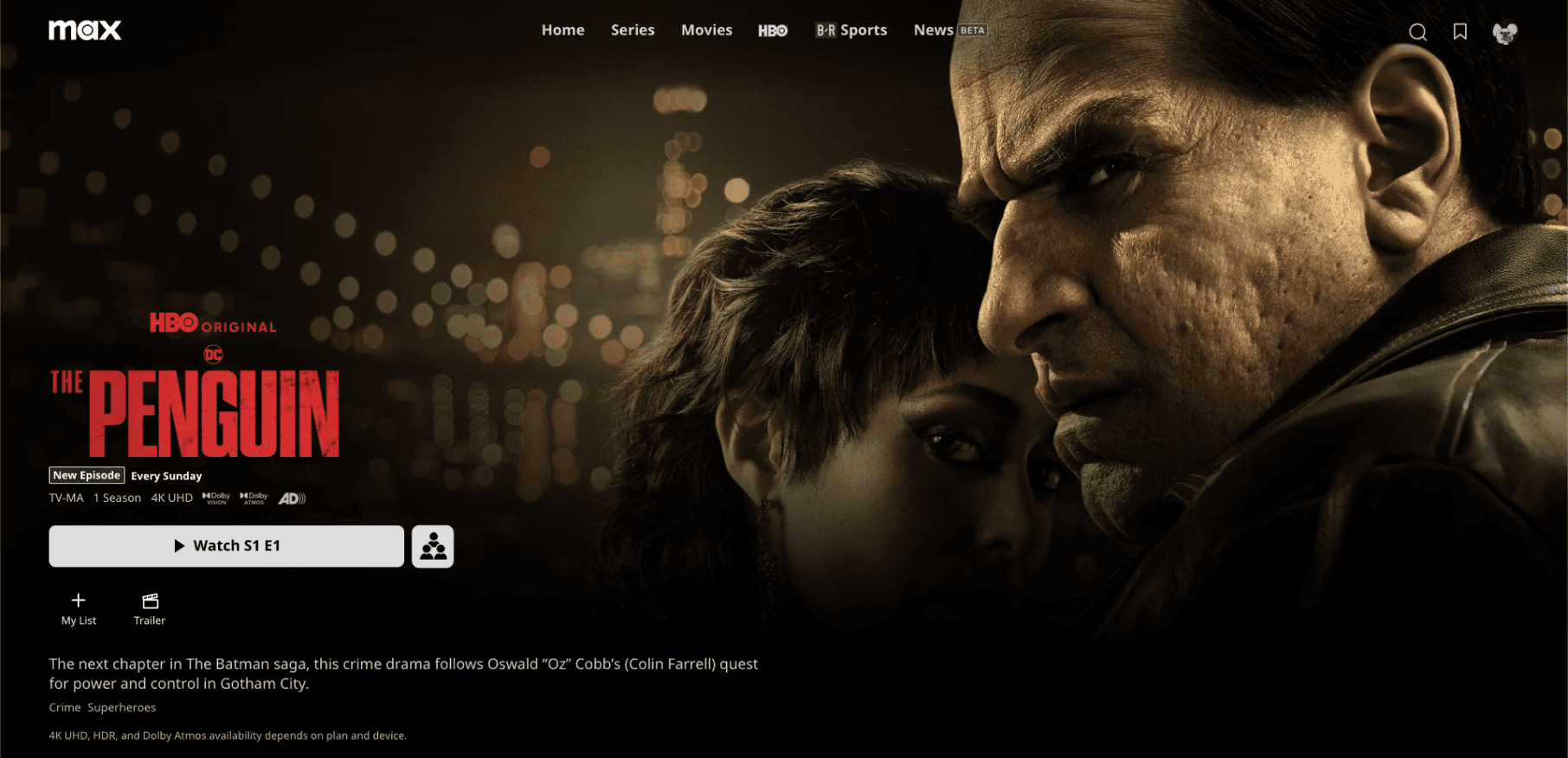
Before
After
Research
Getting users to open up about their co-watching habits proved particularly challenging. In the development phase, we surveyed 21 users between the ages of 16 and 32, and carefully analyzed competitor failures and shortcomings to uncover and better understand their core frustrations, key motivations and unmet needs.
76% of users streamers indicated their frustrations with the lack of online co-watching features, while 67% said they would subscribe or stay subscribed to Max if it offered built-in watch parties. The survey also found that 23% of viewers now use co-watching apps like Teleparty or Discord, it's mostly 18-24s driving the use of these apps due to unmet social needs in streaming.
Competitive Analysis
Why did other platforms fail?
Competitors like Prime Video, Disney+, and Hulu once offered watch party features but failed to sustain them, exposing critical pitfalls that cost them user trust and long-term engagement.
Underfunded development, restrictive business models, and buggy execution drove users toward fragmented third-party tools like Teleparty and Discord, eroding ecosystem loyalty and leaving a clear market gap that Max is now positioned to fill.
Amazon Prime Video
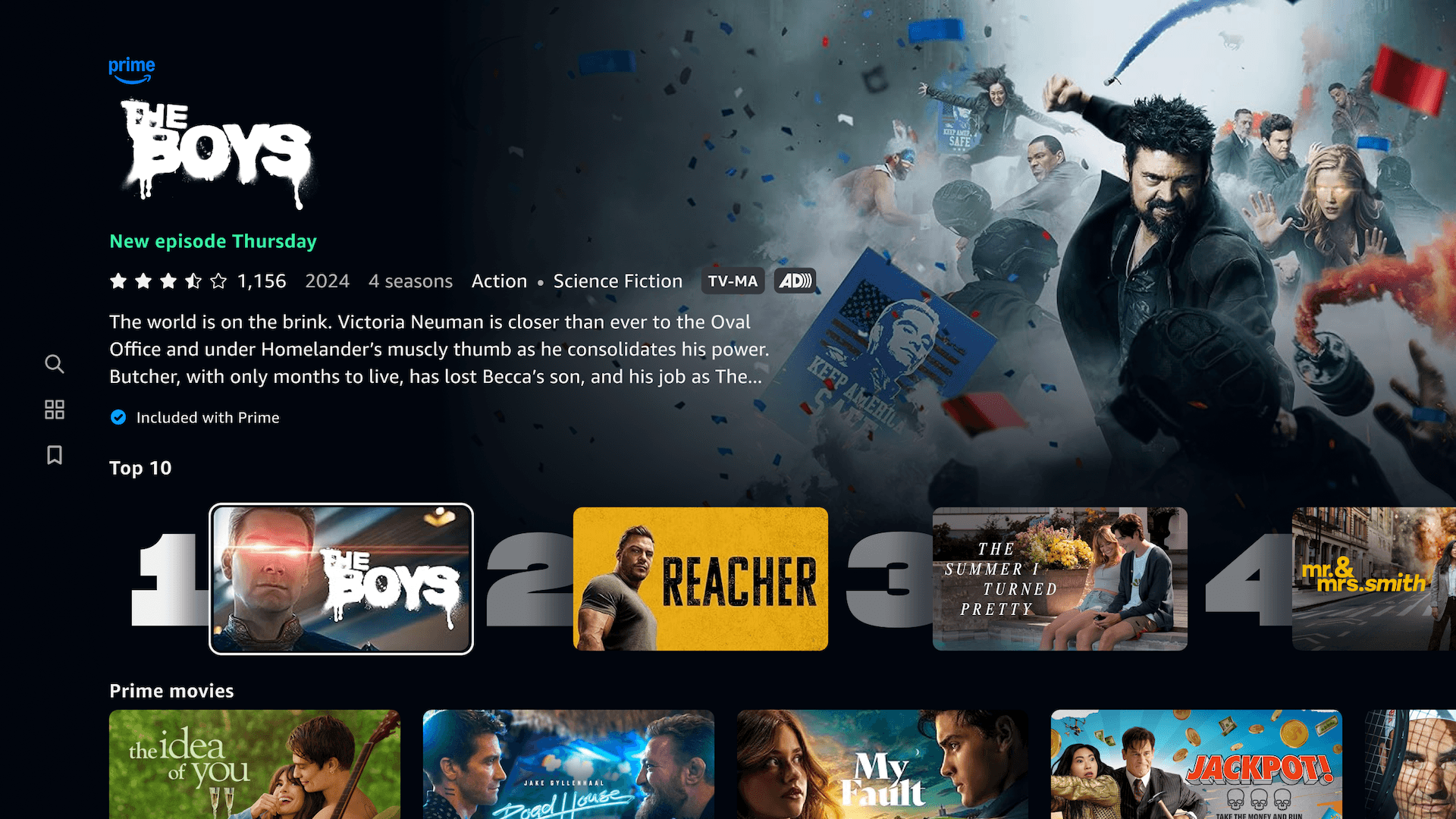
Phasing out the watch party feature
The feature was discontinued coincided with Amazon layoffs during 2022 post-covid.
Amazon has used automation to save costs by replacing employees. This justification has lead to the lack of support to continue development.
Disney+
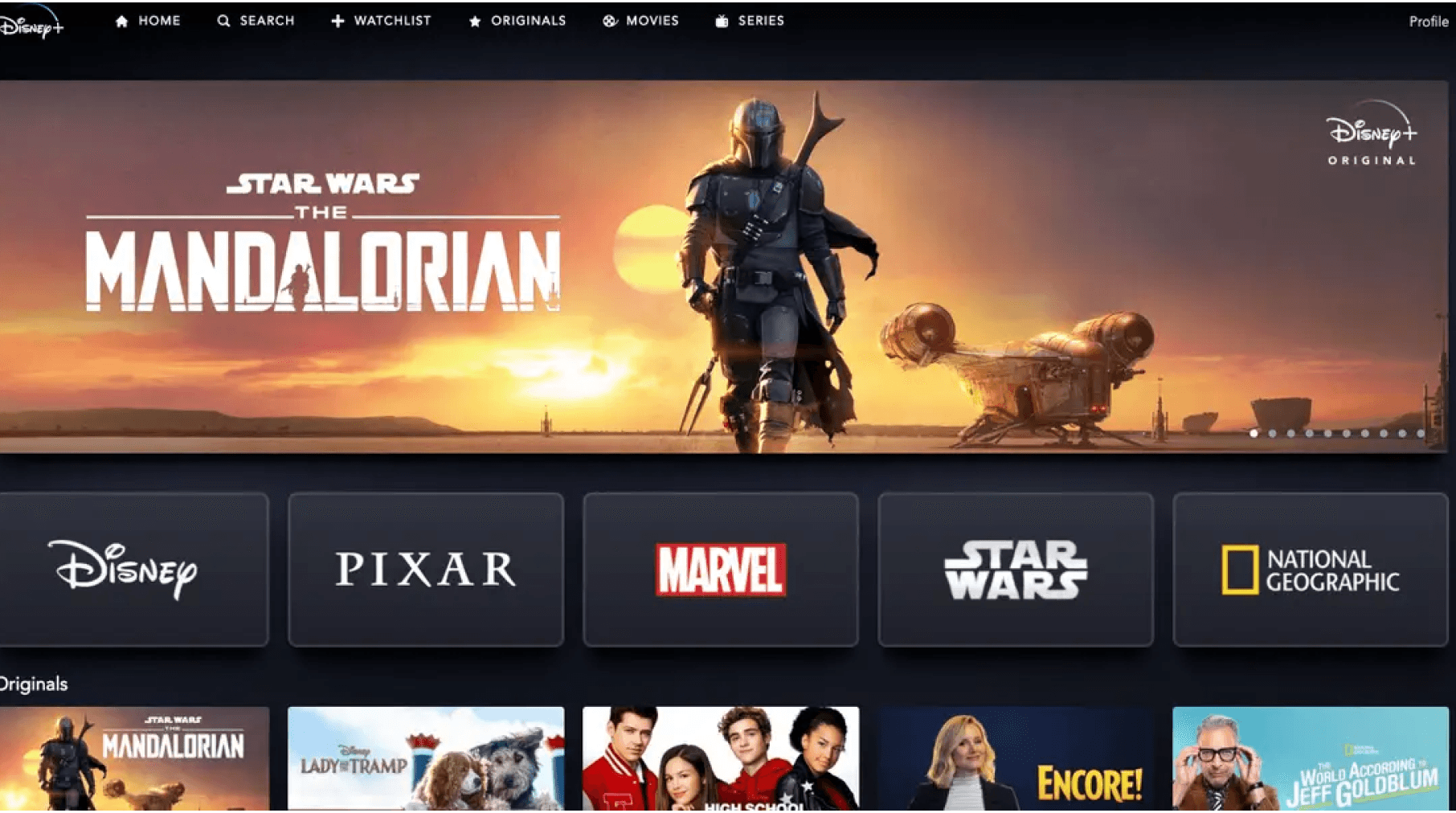
Implementing household subscriptions
Disney+ is pushing for a household subscription which removes the devices associated with your primary residence.
This nukes the option to utilize the gamification the service and further prevents password sharing.
Hulu

Lacking Internal Support
Users have cited the lack of the gamification service leading to bugs and functionality issues. The elimination of the gamification services has resulted in videos not being in sync with other party members.
People with the basic plan were encountering ads, while people who had the ad-free version would continue playing desynced their experience.
Apple TV+
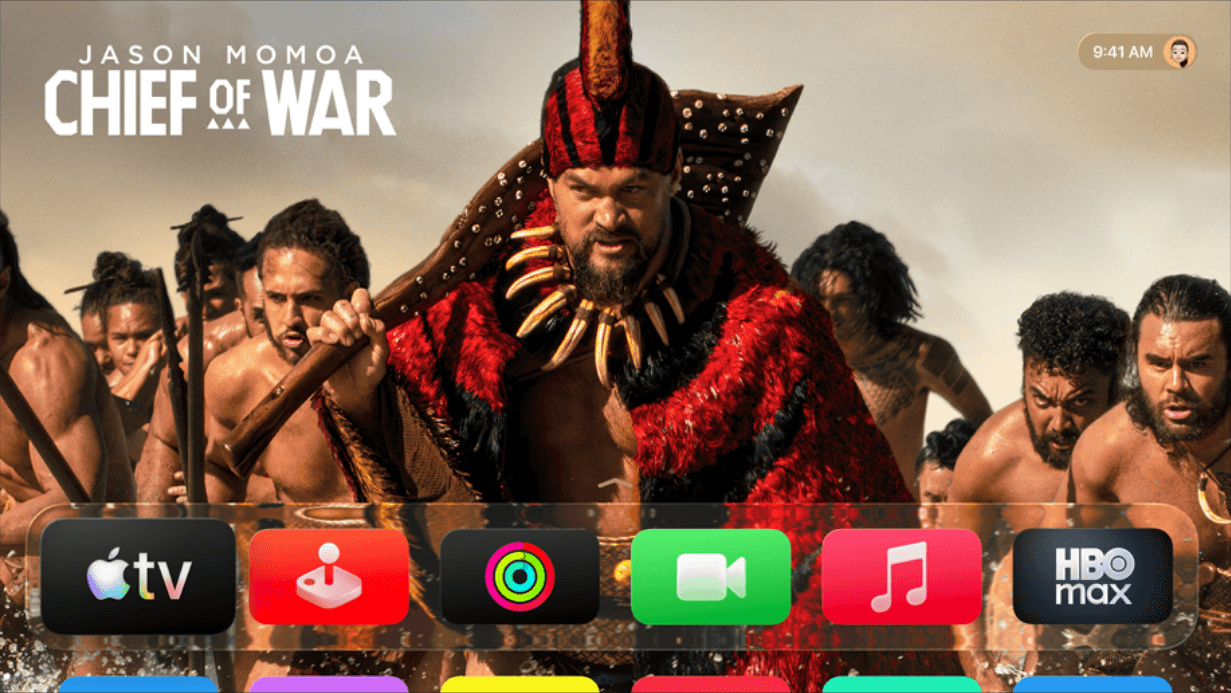
Can't Sync Screens Together
There's no built-in function to synchronize playback, share reactions, or chat in real time. Forcing users to rely on clunky third-party apps like Teleparty, which don't fully integrate with Apple TV+.
Strict ecosystem lock-in means anyone without an Apple device is effectively excluded, making it nearly impossible to host a mixed watch party.
Missed Opportunities
Losing out to Third-Party Solutions
These tools quietly drain thousands of dollars in lost revenue for streaming platforms, from missed subscription upgrades to unrealized ad revenue. They often bypass official platform features, limiting opportunities for meaningful user engagement, ethical first-party data collection, and new monetization streams. Instead of co-watching happening inside the product, it gets pushed out to external tools where platforms have little visibility or control.
A native solution would keep viewers inside the ecosystem longer, deepen social connections around content, and create new upsell moments tied to group viewing. It would also make it easier to personalize recommendations for friend groups, measure real-time engagement, and experiment with premium social features.
Loss of Potential Revenue

Many users turn to Discord instead of official platforms because it’s ease of use. Highlighting the lack of seamless viewing amongst streaming platforms.
Fragmented Viewing Experience

Teleparty
Teleparty offers a shared viewing option, but relies on external browsers and extensions, keeping users outside the official platform.
Ideation
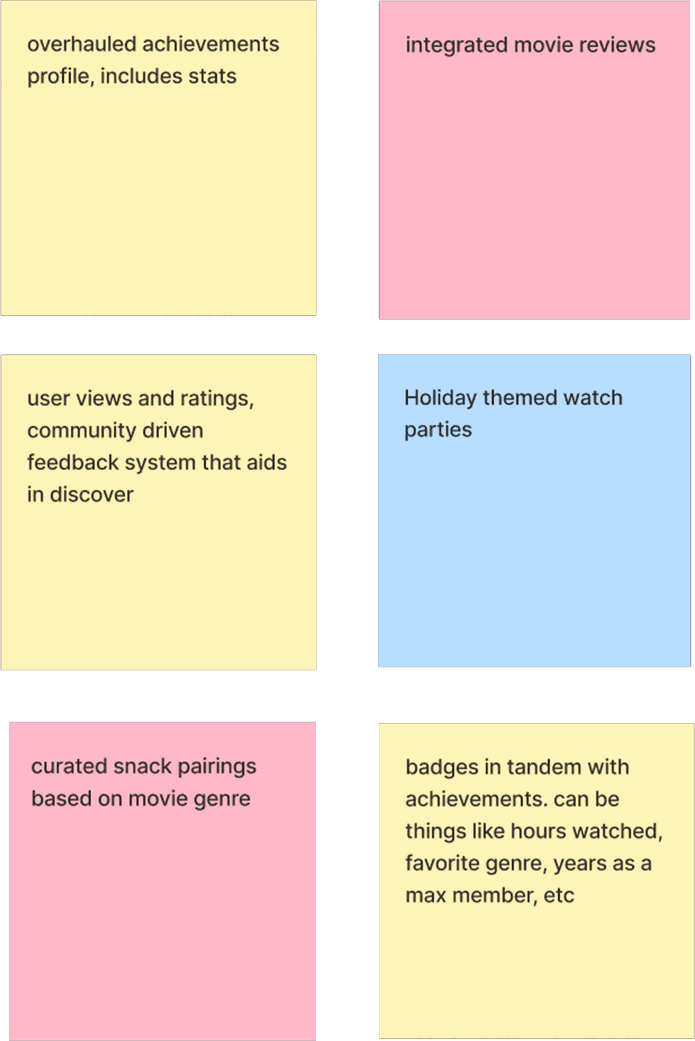
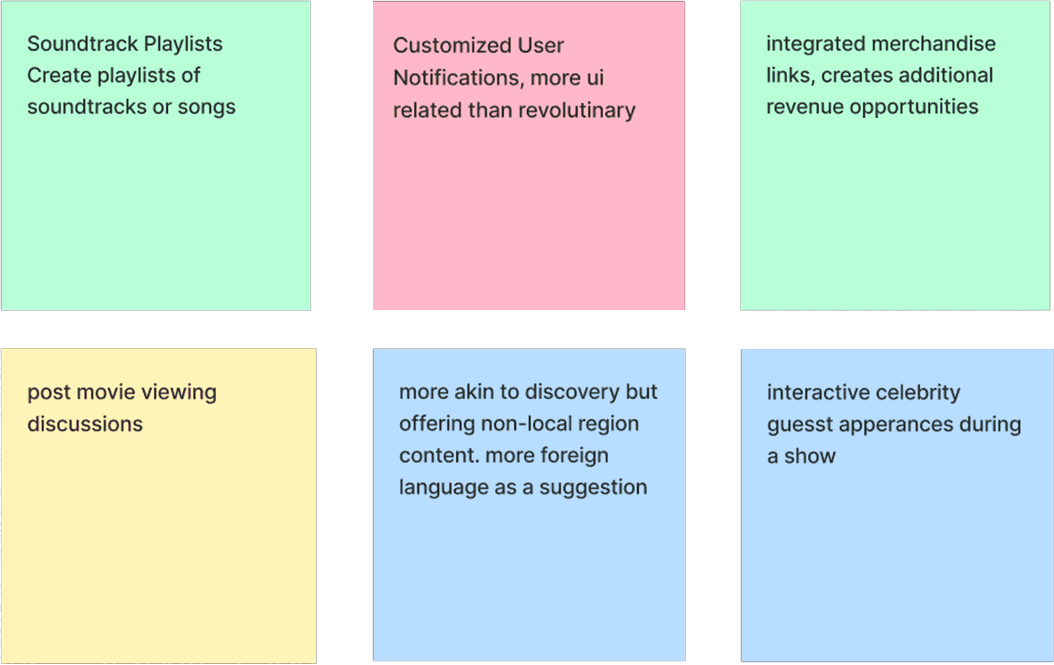
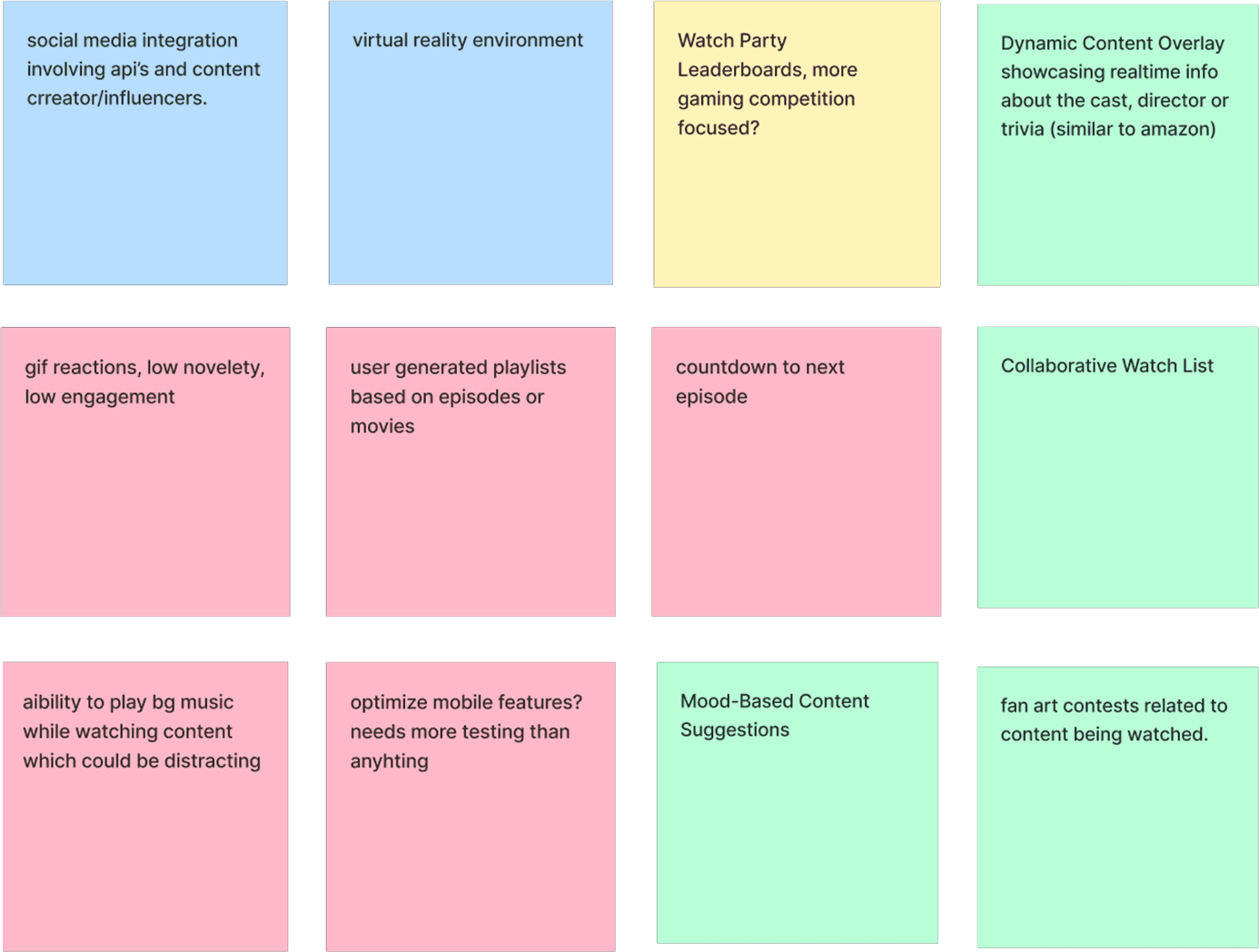
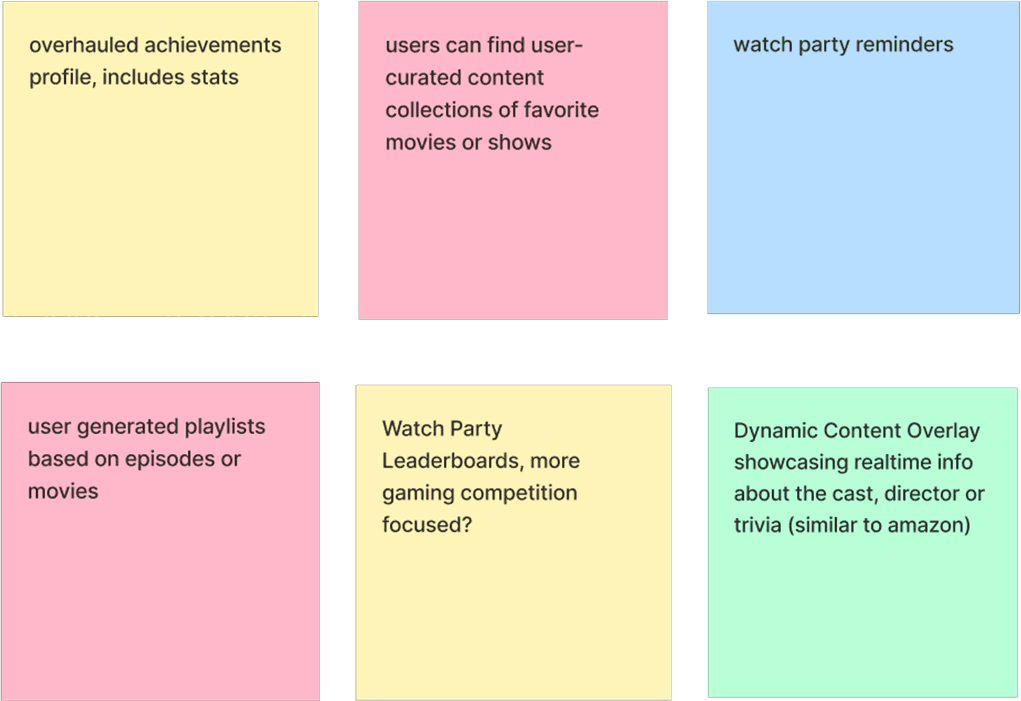
During this phase, we ran a quick brainstorming exercise to rapidly get as many gamification and engagement ideas out as possible. We captured each idea as a sticky note, then placed them on a feasibility matrix.
This lightweight workshop helped us quickly narrow in on the most promising, realistic directions to explore further.
We considered how impactful would it be to implement each idea? And how feasible is each idea considering cost, time, effort, complexity, etc.

Initial early ideas and value-feasibility analysis. We focused on exploring high-value concepts, including those that were less feasible within the constraints of our project timeline.
Research
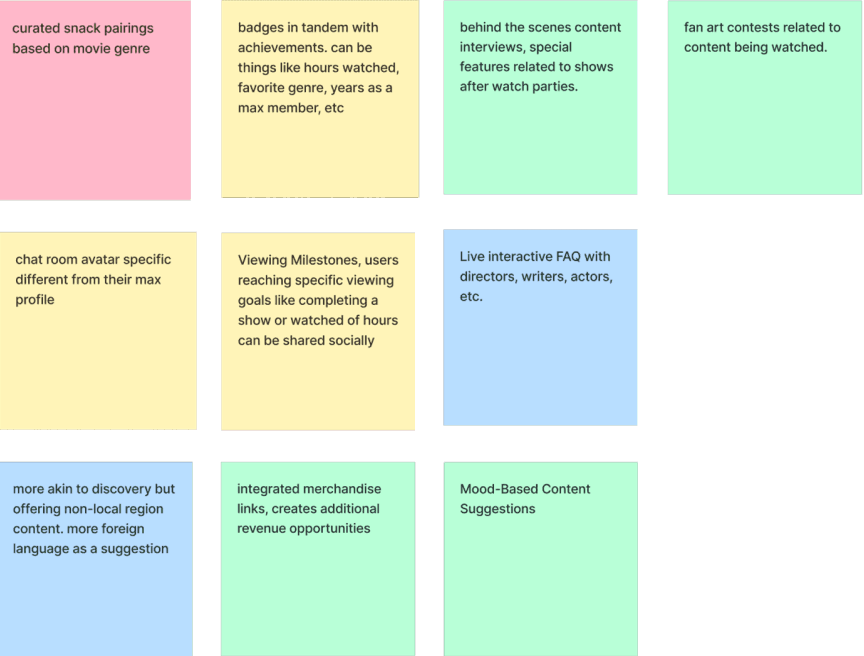
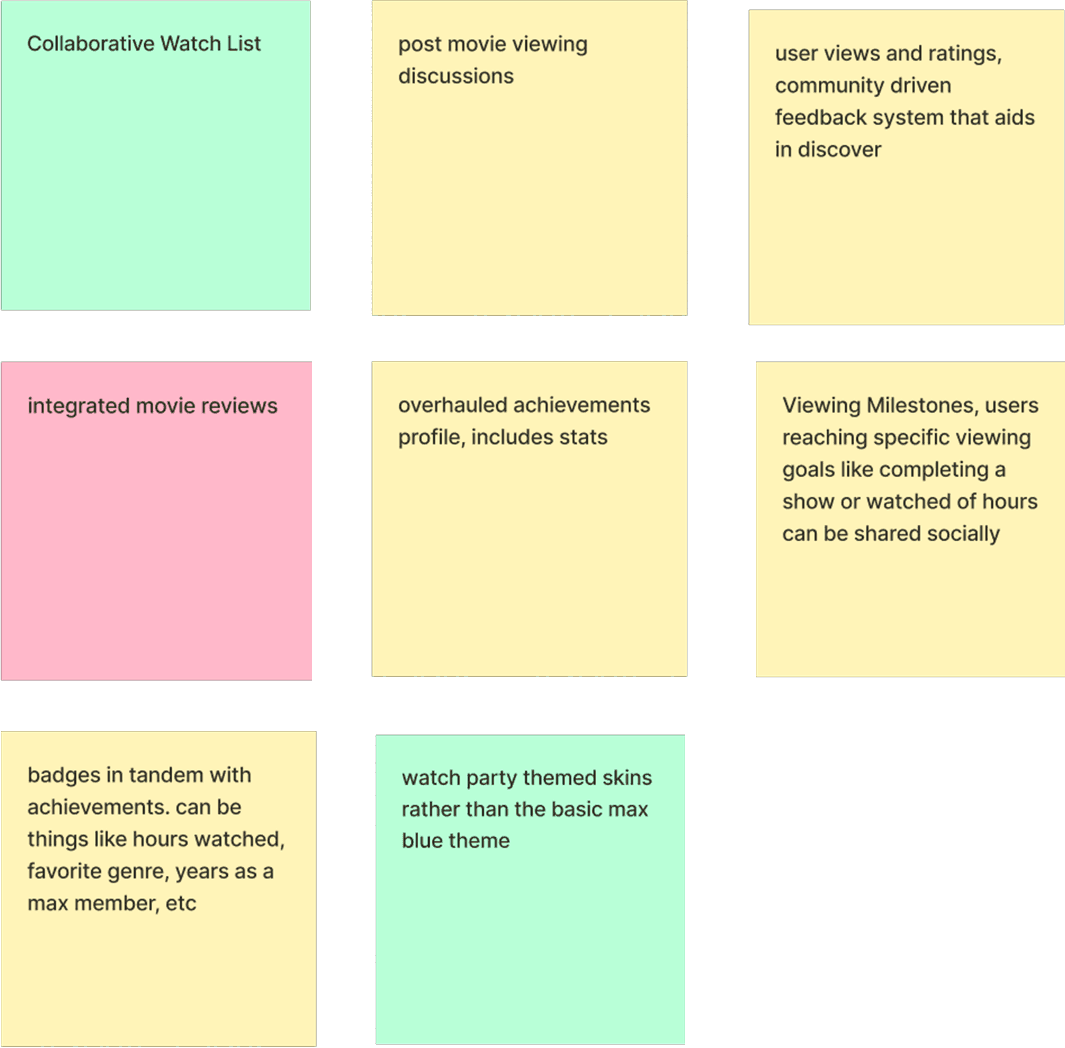
We had three users complete an open card‑sorting exercise, grouping the ideas into four priority levels from most to least important. This revealed which gamification concepts users valued most, guiding what we emphasized in the final solution.
We had three users complete an open card‑sorting exercise, grouping the ideas into four priority levels from most to least important. This revealed which gamification concepts users valued most, guiding what we emphasized in the final solution.
User 1
group 1
group 2

group 3
group 4
User 2
group 1

group 2
group 3
group 4

User 3
group 1
group 2

group 3

group 4

Prototyping
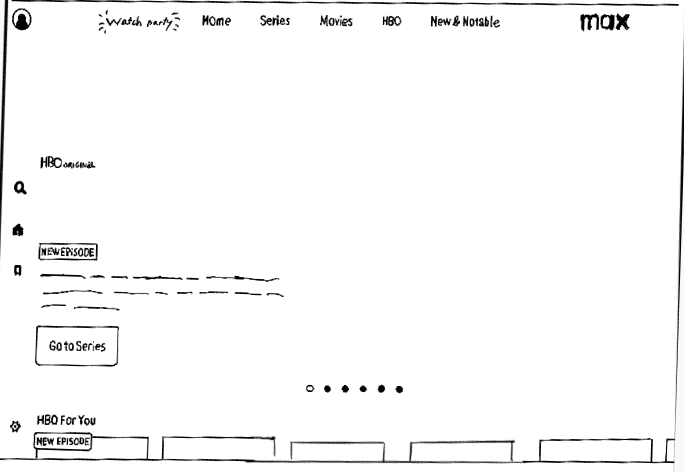
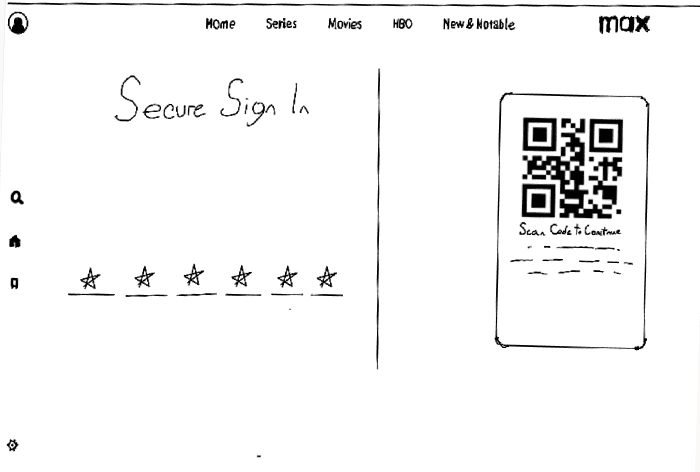
For this phase, we translated our prioritized ideas into over 40 low‑fidelity wireframes, split into two distinct prototype sets (Test A and Test B). Each set explored different approaches to key interactions, allowing us to test competing design directions simultaneously.
We then asked participants to compare the two versions, discuss which flows and features felt clearer or more engaging, and elaborate why. Their feedback guided which navigation patterns and gamification elements we carried forward into higher‑fidelity designs. This iterative process helped us reduce the risk of revisions in later stages.
Test A
1.1 - Homepage
1.2 - Sign In
1.3 - Success Scren
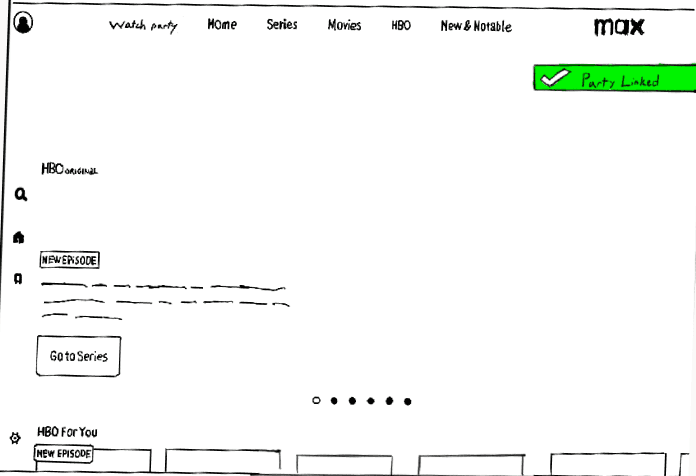
1.4 - Host POV
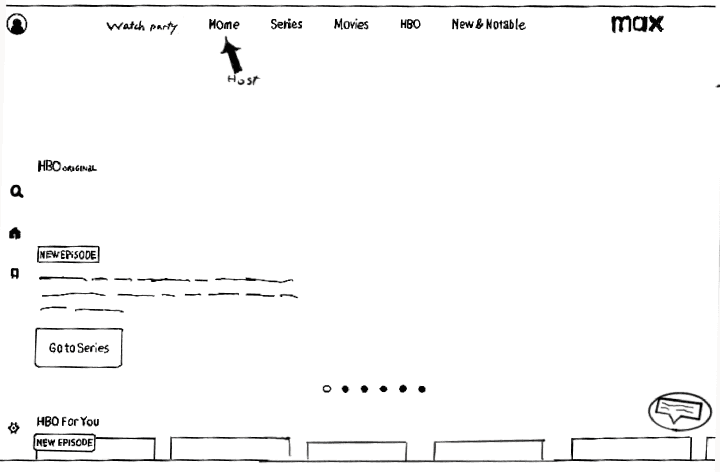
1.5 - Chat Room

1.6 - Pre-Movie Trivia

1.7 - Movie Poll Winner
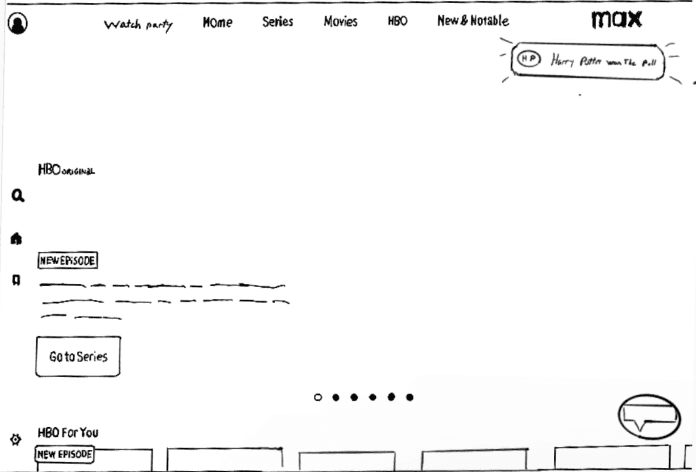
1.8 - Pre-Movie Trivia
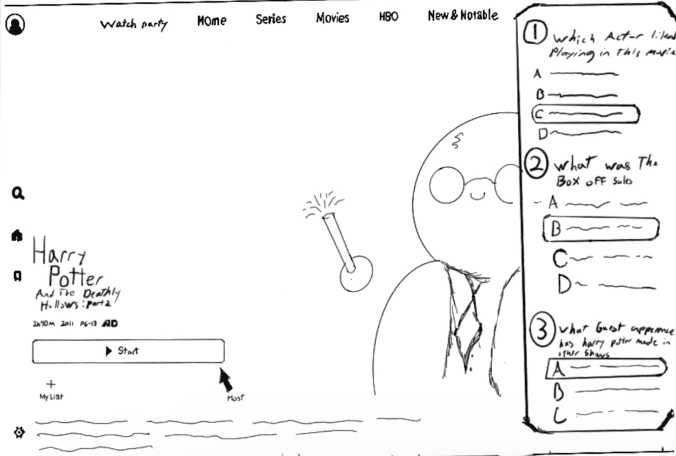
1.9 - 30 min trivia answer
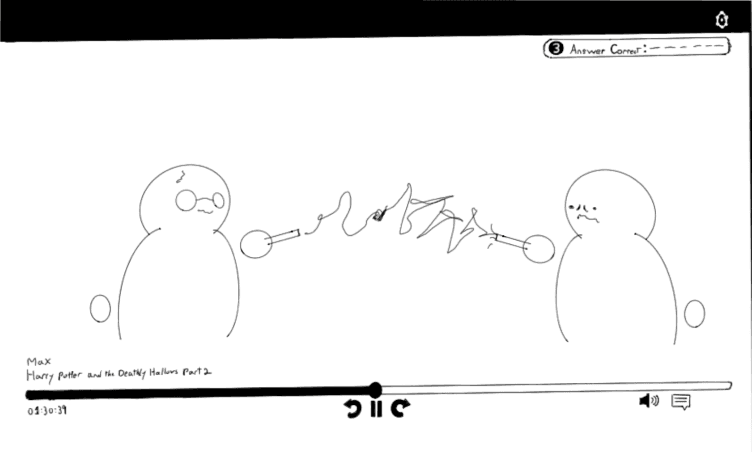
1.10 - Post-Credit Trivia Results
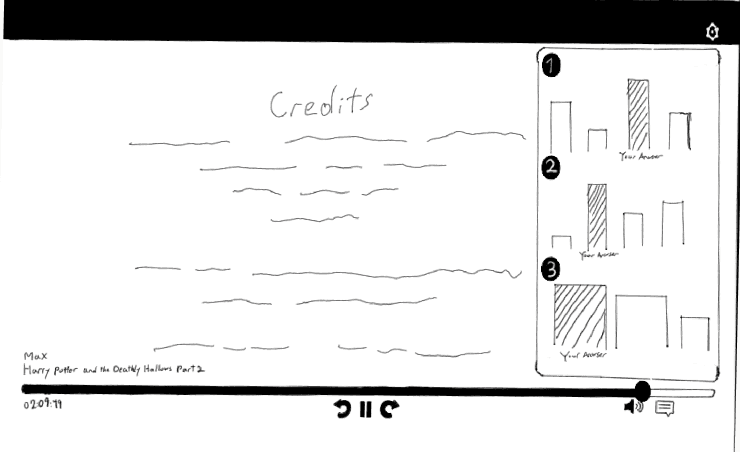
Test B
2.1 - homepage

2.2 - Party Creation Interface
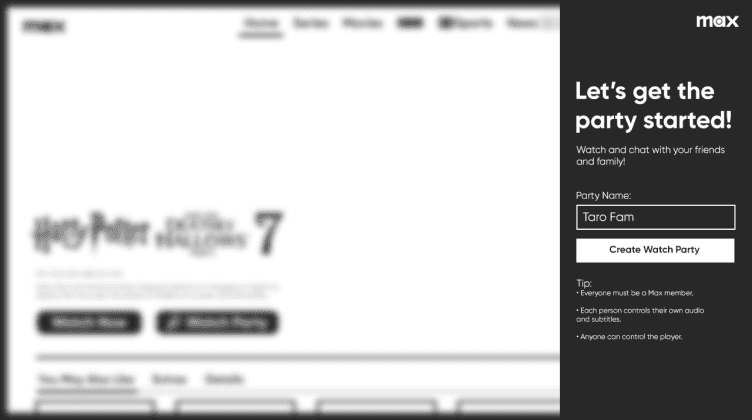
2.3 - Success
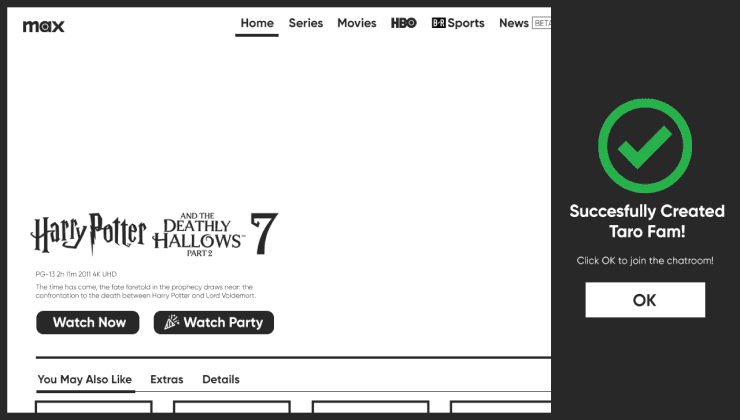
2.4 - Chat Room
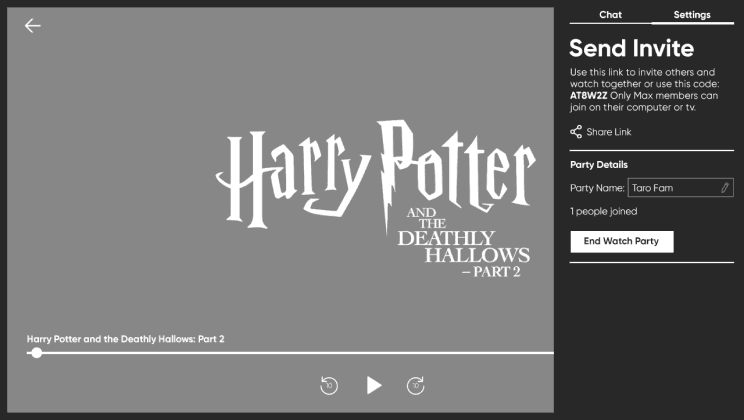
2.5 - Invite Link/Settings
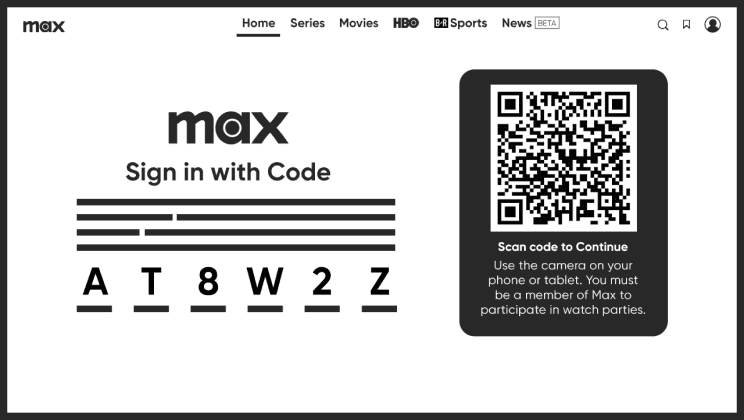
2.6 - Sign-In Page for Guests
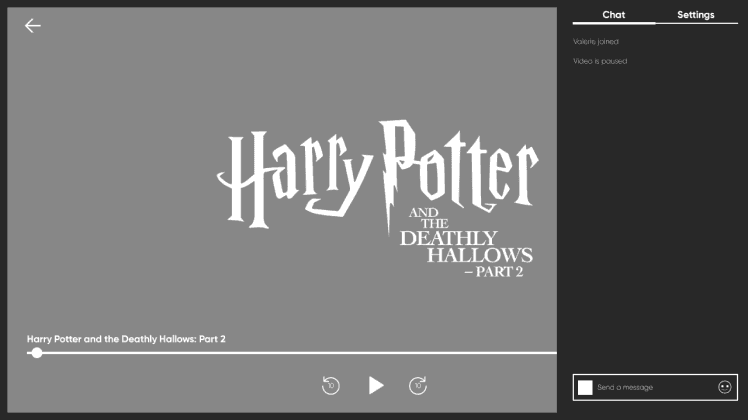
2.7 - Chat Room

2.8 - Beginning Movie Trivia
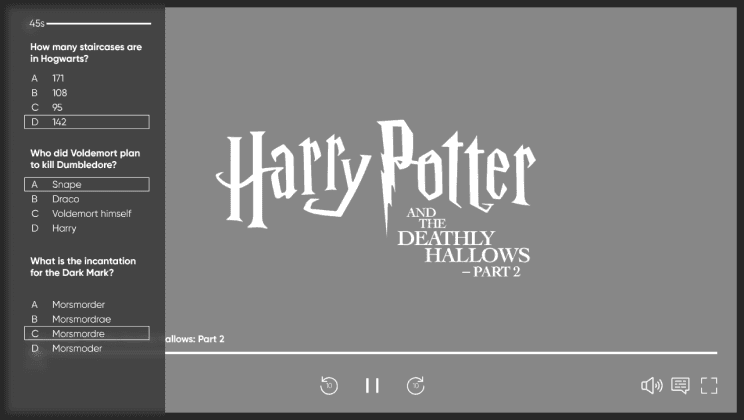
2.9 - End of Movie Achievement
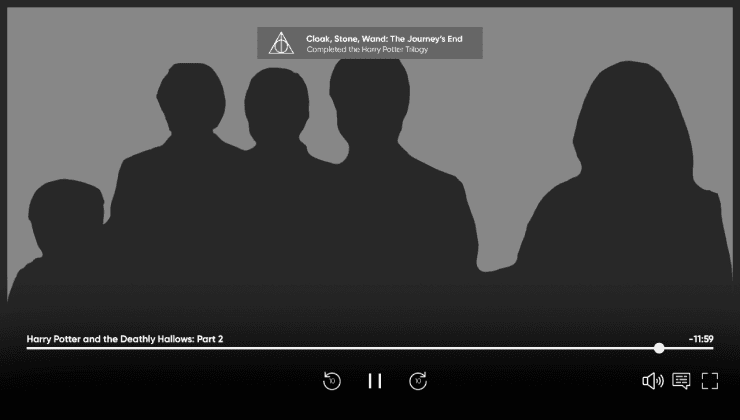
2.10 - Post-Credit Trivia Results

Final MVP


Future Recommendations
As future enhancements, we explored deeper gamification through dynamic level borders, leaderboards, and limited‑time seasonal challenges that reward consistent co‑watching behavior. These features are designed to foster friendly competition, keep the experience feeling fresh, and motivate users to return for new events.
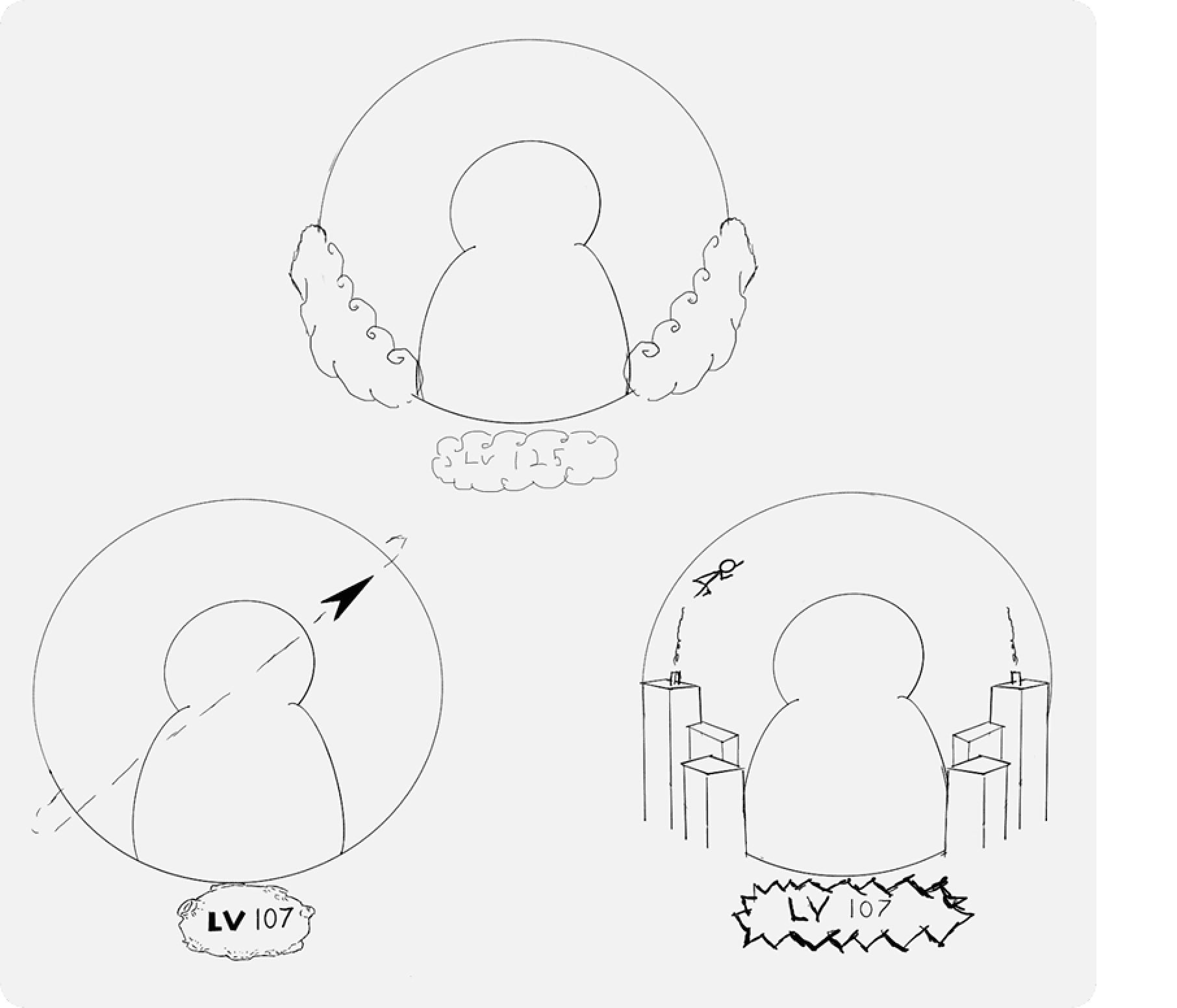
Level Borders
Decorative frames around a player's profile picture dynamically change and evolve as they level up and progress.
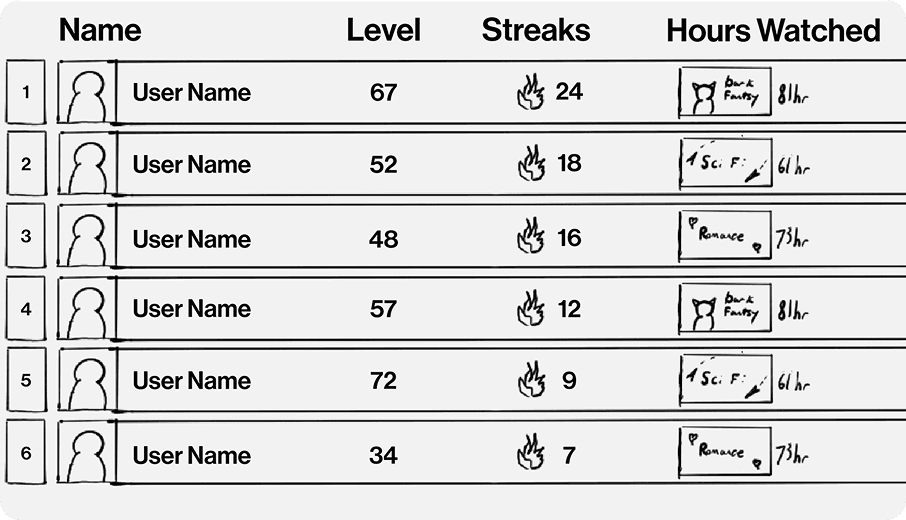
Leaderboards
The leaderboard feature plays a vital role in fostering healthy competition and a sense of community among users.

Seasonal Challenges
Seasonal challenges create a sense of urgency and helps keep the content experience feeling fresh and exciting.
Project Takeaways
Working on this project showed me how powerful thoughtful gamification can be when it’s grounded in real user needs rather than superficial “points and badges.” Because co-watching and streaming are already such a big part of our lives, designing mechanics around them felt personal. We cared about making the experience feel genuinely fun, not gimmicky.
More importantly, this work shifted how I think about gamification in UX: not as a layer you tack on at the end, but as a lens for designing motivation, community, and habit formation from the start. Even if this concept never ships as a live product, the process expanded my toolkit and made me more intentional about when and why to use game mechanics, and how much stronger my work can be when play and purpose are aligned.